Understanding Minimalism
Minimalism is a lifestyle choice and design philosophy that emphasizes simplicity and intentionality in various aspects of life. Traditionally associated with clean lines and open spaces, minimalism transcends mere aesthetic appeal, representing a deeper ideology centered around living with less and focusing on what truly matters.
The origins of minimalism can be traced back to various cultural and artistic movements throughout history. It gained prominence in the 20th century, particularly in art, architecture, and design, where artists and architects sought to strip away the unnecessary and highlight the essential. The minimalist movement is rooted in the idea that complexity can often be overwhelming and that simplicity can lead to a more fulfilling life.
At its core, minimalism champions the principles of simplicity and the intentional selection of possessions. The minimalist lifestyle promotes a decluttered environment that fosters mental clarity and well-being. By reducing material belongings and distractions, individuals can create space for reflection and genuine experiences. This focus on intentional living encourages individuals to evaluate their priorities and engage more deeply with meaningful relationships, experiences, and values.
The essence of minimalism extends beyond physical possessions to influence mental and emotional well-being. Adopting a minimalist approach can lead to a more mindful existence, where individuals consciously choose their commitments and activities, ultimately seeking quality over quantity. This shift encourages a lifestyle characterized by sustainability, ethical consumption, and a profound appreciation for simplicity.
In summary, understanding minimalism involves recognizing it as more than a design choice. It is a holistic philosophy that informs how we engage with our surroundings and our lives, advocating for simplicity, intentionality, and a purposeful existence.
Common Misconceptions about Minimalism
Minimalism is often misconstrued as a lifestyle that demands stark, colorless spaces filled with nothing but the bare essentials. This widespread belief may deter individuals from exploring the advantages of minimalism and eschewing clutter in their lives. However, the truth is that minimalism is not a one-size-fits-all approach; rather, it is an adaptable philosophy that can be personalized to align with individual preferences and lifestyles.
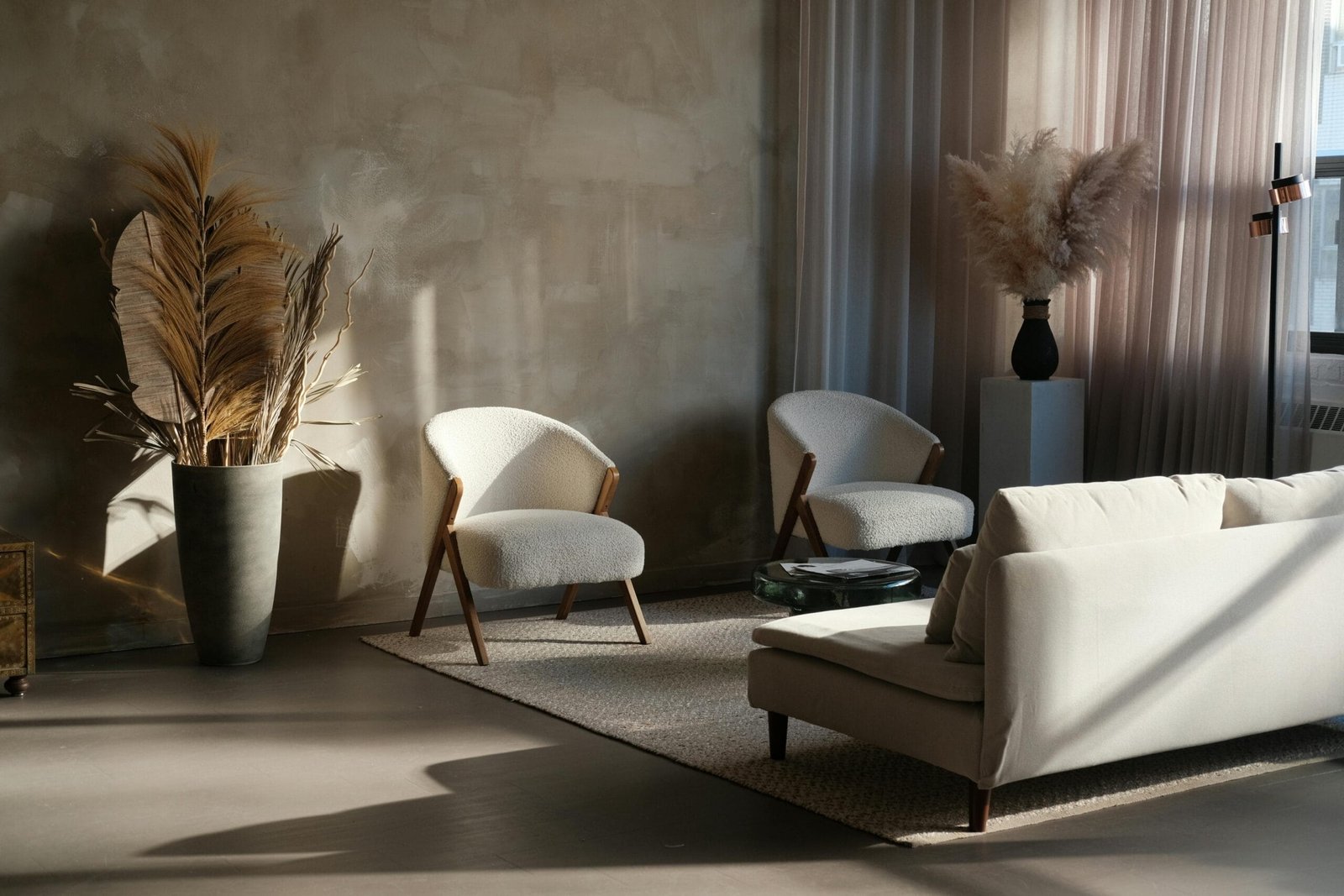
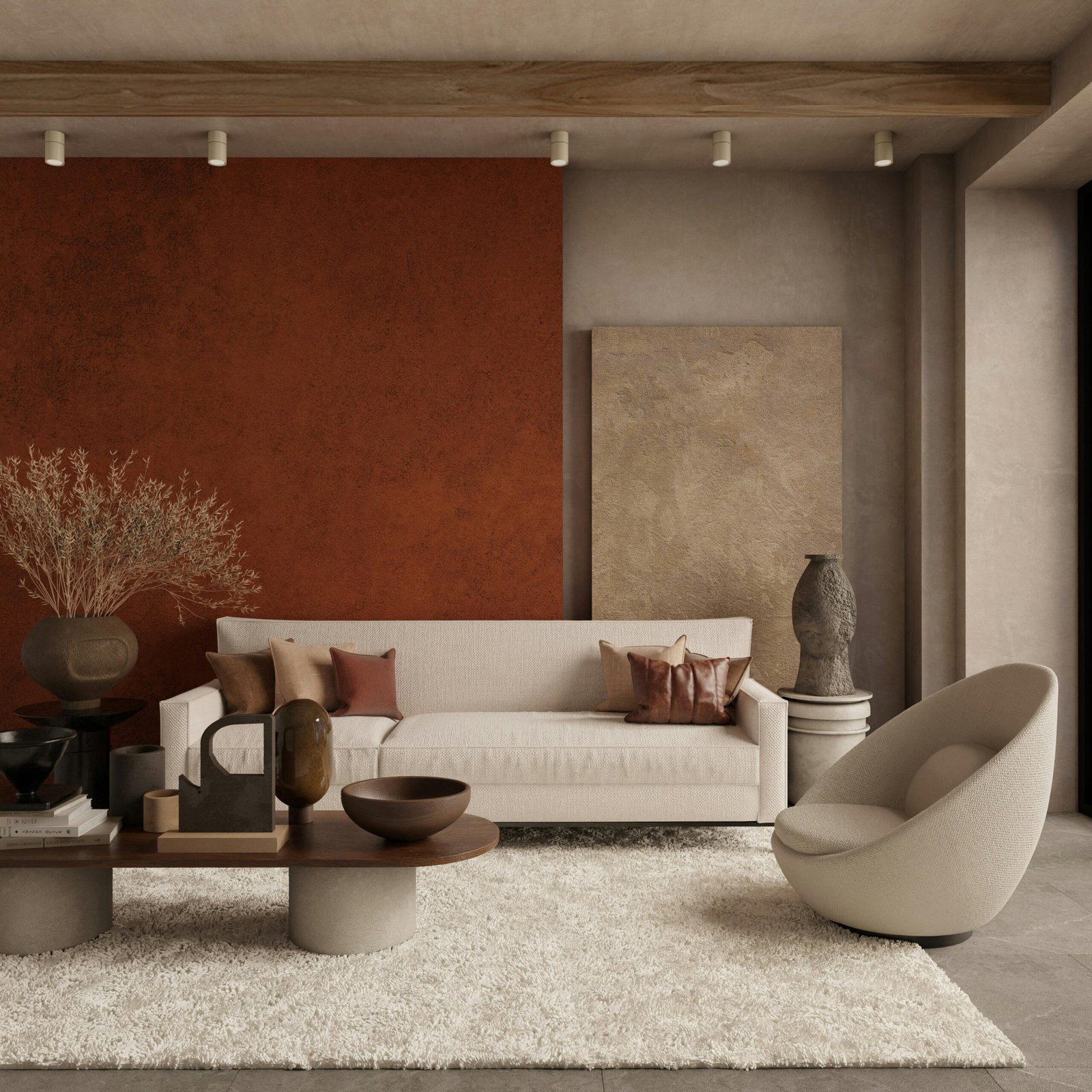
Many people mistakenly think that adopting minimalism means living in a sterile environment devoid of any personality or warmth. This could not be further from reality. Minimalist design can incorporate a variety of textures, colors, and personal artifacts that reflect the inhabitant’s taste. For instance, a minimalist home can be adorned with vibrant artworks, meaningful photographs, or plants, all of which add character without creating visual chaos. The essence of minimalism lies in curation; it encourages individuals to select pieces that are not only aesthetically pleasing but also hold significance, thereby fostering a space that resonates personally.
Another common myth is that minimalism entails sacrifice or restriction in terms of lifestyle choices. Some believe that to embrace minimalism, one must lead a monotonous life devoid of the joys associated with material possessions. In reality, minimalism advocates for a mindful approach to consumption, prioritizing quality over quantity. It encourages an examination of what truly adds value to one’s life and prompts a shift towards more intentional living. By shedding unnecessary distractions and excess, individuals can make room for experiences, relationships, and activities that bring genuine happiness.
In summary, minimalism is not confined to stark spaces or rigid rules; it is a flexible philosophy that can cater to a myriad of lifestyles and preferences. Understanding and dispelling these misconceptions can empower more people to explore the liberating aspects of minimalistic living, leading to a more fulfilling life focused on what truly matters to them.
Practical Tips for Embracing Minimalism
Adopting a minimalist lifestyle can greatly enhance personal well-being and create a more fulfilling environment. To start your journey towards minimalism, consider implementing the following actionable steps that can seamlessly fit into your daily routine.
First and foremost, begin with decluttering. This process involves evaluating your possessions and determining what genuinely adds value to your life. Set aside time to assess each item; if you have not used or appreciated something in over a year, it might be wise to let it go. Not only does decluttering reduce physical clutter, but it also alleviates mental stress associated with holding onto unnecessary items.
Next, focus on simplifying your possessions. Instead of keeping items based on emotional attachments or potential future use, prioritize multifunctional and essential items that serve clear purposes in your life. For instance, when looking at your wardrobe, consider a capsule approach—choosing a limited selection of versatile clothing pieces that can be mixed and matched. This not only minimizes choices but also streamlines your daily decision-making process.
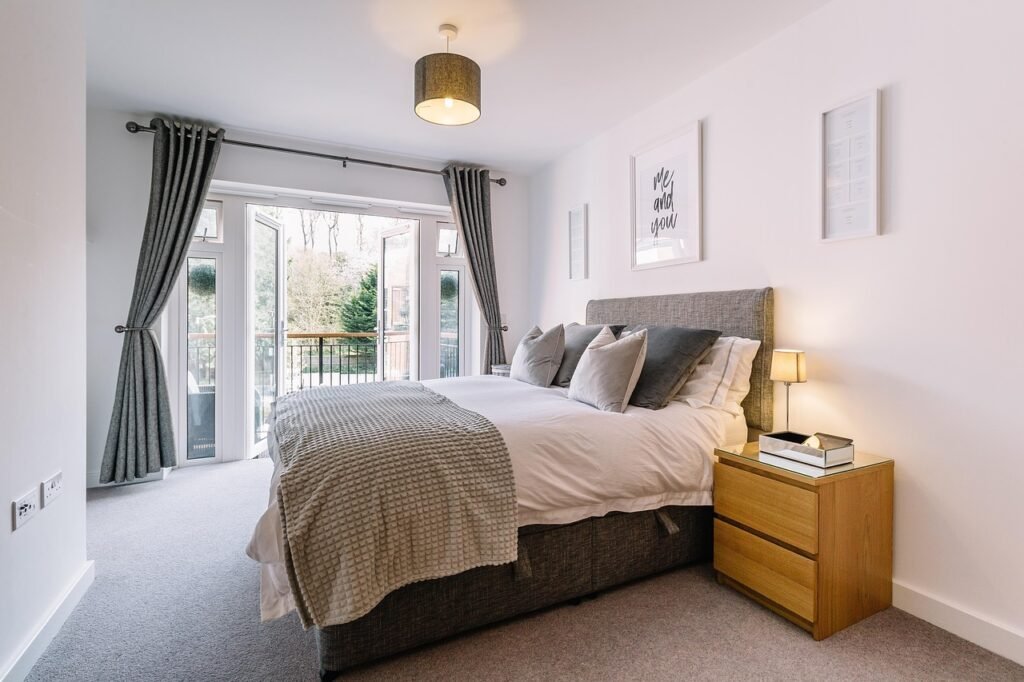
Curating a mindful living space is another significant step towards embracing minimalism. Arrange your home in a way that promotes calmness and clarity. Use natural lighting, keep surfaces clear, and opt for a neutral color palette to create spaces that encourage relaxation. Additionally, incorporate art or items that bring you joy, but remember to maintain a balance to prevent overwhelming the senses.
Lastly, make minimalism a part of your everyday routine. Practice mindful consumption by questioning the necessity of purchases, favoring quality over quantity. This shift in habits will not only help maintain a minimalist lifestyle but will also instill a deeper appreciation for what you own.
By implementing these practical tips, individuals can adopt a minimalist approach that resonates with their values and enhances their overall quality of life.
The Emotional and Environmental Benefits of Minimalism
Minimalism, often associated with decluttering physical spaces, extends far beyond the physical realm; it is a lifestyle choice that can significantly impact mental well-being and environmental sustainability. By adopting minimalism, individuals often experience reduced stress levels, as a simplified environment minimizes distractions and fosters a sense of tranquility. The act of clearing out unnecessary possessions can serve as a therapeutic process, helping one to prioritize what truly matters in life.
One of the primary emotional benefits of minimalism is enhanced clarity. A clutter-free space can lead to a clutter-free mind, allowing individuals to focus on their goals and aspirations without the barrage of excess stimuli. This clarity promotes a more mindful approach to living, where individuals can engage more deeply with their surroundings and relationships. Furthermore, minimalism encourages self-reflection, as individuals find joy in experiences rather than material possessions, fostering greater contentment and personal fulfillment.
From an environmental perspective, minimalism aligns seamlessly with sustainable living practices. By reducing consumption and adopting a mindset of valuing quality over quantity, minimalists not only minimize their ecological footprint but also contribute to a culture of sustainability. Purchasing less often leads to fewer resources being extracted and less waste being generated, which benefits our planet. Additionally, minimalism promotes the use of sustainable materials, encouraging individuals to invest in eco-friendly products that last longer and have a lower impact on the environment.
In conclusion, embracing minimalism can lead to significant emotional and environmental benefits. By reducing stress and fostering clarity, individuals can cultivate a more meaningful connection with their surroundings. Simultaneously, minimalism supports sustainable practices that contribute positively to the health of our planet, making it a powerful approach to modern living that resonates with both personal and global well-being.