
Introduction to Japandi Style
Japandi style represents a harmonious fusion of Japanese minimalism and Scandinavian functionality, appealing to individuals who seek tranquility and simplicity in their living spaces. This design philosophy emerged as a response to the overwhelming complexity of contemporary aesthetics, drawing upon the rich cultural heritage of both Japan and Scandinavia. By marrying these two distinct styles, Japandi creates a serene environment that champions minimalism without sacrificing warmth or comfort.
The roots of Japandi can be traced back to traditional Japanese and Scandinavian design principles. Japanese aesthetics emphasize natural materials, clean lines, and a deep appreciation for craftsmanship, often echoing the tranquility of Zen philosophy. On the other hand, Scandinavian interiors prioritize functionality, practicality, and a warm atmosphere, making extensive use of light and airy spaces. Thus, the essence of japandi interior design lies in its ability to blend these varied influences into a cohesive and stylish whole.
This trend has grown in popularity among modern homeowners who appreciate the calming effect of Japandi style homes. By integrating features like natural textures, muted colors, and a focus on open spaces, it allows for an uncluttered lifestyle where simplicity reigns supreme. Japandi home design also stresses the importance of sustainable living, encouraging the use of eco-friendly materials and the embrace of nature within interior spaces.
Ultimately, Japandi decor ideas resonate well with those looking to create inviting atmospheres that reflect personal tranquility. Whether incorporated into a japandi living room or other areas of the home, this design aesthetically captures the essence of balance, simplicity, and functionality, thus making it a preferred choice among contemporary design enthusiasts.
Key Characteristics of Japandi Design
Japandi style homes seamlessly blend the distinct aesthetics of Japanese and Scandinavian design, characterized by a strong emphasis on minimalism and functionality. This architectural style prioritizes simplicity, ensuring that each element serves a purpose while maintaining an uncluttered environment. The fundamental principles of Japandi interior design revolve around creating spaces that resonate with tranquility and balance, promoting an ambiance conducive to relaxation and mindfulness.
Natural materials play a vital role in Japandi architecture, further enhancing the organic feel of these homes. Commonly utilized materials include wood, stone, and bamboo, which are both durable and sustainable. These elements not only add warmth to the spaces but also create a connection to nature, a hallmark of both Japanese and Scandinavian philosophies. The use of natural textures in japandi home design contributes to a cozy atmosphere, making the interiors inviting and visually appealing.
The color palette in modern japandi homes typically features neutral tones such as whites, greys, and earth hues, evoking a sense of calmness and serenity. These soothing colors serve as a foundation for the overall design, allowing for the occasional accent through decor elements or artwork. This thoughtful approach to color and texture establishes a cohesive aesthetic that is both sophisticated and understated.
Moreover, functionality stands as a core tenet of Japandi decor ideas, guiding the selection of furniture and decor. Furniture pieces are often multifunctional, maximizing usability without sacrificing style. The minimalist japandi interiors encourage the decluttering of spaces, promoting peace of mind and an overall sense of order. Each design choice, from the arrangement in the japandi living room to the selection of accessories, is made with intention, ensuring that every aspect contributes to a harmonious living experience.
Color Palette and Materials
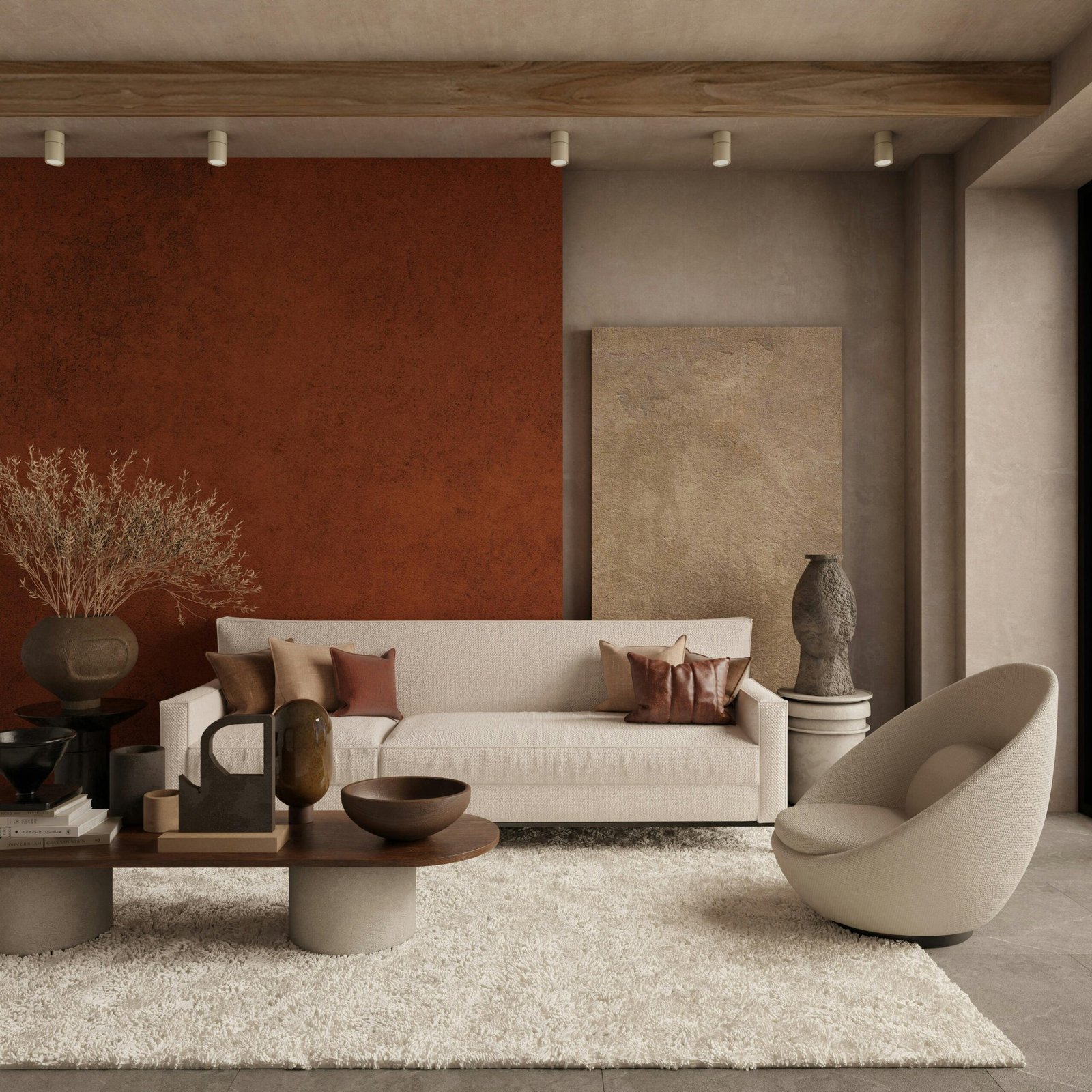
The aesthetic appeal of Japandi style homes is largely driven by a carefully curated color palette that emphasizes harmony and tranquility. At the core of japandi interior design is the use of earthy tones and muted hues, which serve to create a serene environment conducive to relaxation. Common colors found in modern japandi homes include soft grays, warm beiges, gentle whites, and muted greens. These colors not only reflect the simplicity and minimalism typical of japanese architecture but also draw from Scandinavia’s love for natural landscapes.
In addition to the color scheme, the choice of materials plays a crucial role in achieving the desired aesthetic in japandi home design. The emphasis is placed on the use of natural elements that enhance the interiors’ warmth and texture. Wood is often the preferred material due to its warmth and versatility, lending a cozy yet sophisticated feel to japandi living rooms. Bamboo, known for its sustainability and strength, is another popular choice that aligns with the philosophy of eco-friendliness embraced by both Japanese and Scandinavian cultures.
Stone and natural fibers further enrich the tactile experiences within these homes. Rugs made from natural materials such as wool or jute complement the minimalist japandi interiors, contributing to a holistic sense of comfort and beauty within the space. By harmonizing these earthy tones and natural materials, Japandi decor ideas invite an atmosphere of calm and peace, while still allowing for modern functionality. Therefore, the strategic selection of colors and materials forms the foundation of the characteristic style, ensuring that each element not only stands alone beautifully but also contributes to a cohesive and inviting living space.
Furniture and Decor in Japandi Homes
In Japandi style homes, the choice of furniture and decor is fundamental to creating a space that embodies both functionality and aesthetic elegance. The essence of Japandi interior design lies in its fusion of Japanese minimalism with Scandinavian warmth. This blend encourages the use of clean lines, simple forms, and organic materials, resulting in spaces that feel open yet comforting.
When selecting furniture for modern Japandi homes, it is essential to prioritize pieces that emphasize craftsmanship. Artisan-made furniture often highlights natural materials such as wood, bamboo, and linen, lending authenticity and durability to the interiors. Additionally, the design should focus on minimalist silhouettes that prevent visual clutter, allowing each piece to stand out while serving a practical purpose. For instance, a low-profile wooden table or a sleek, multifunctional chair not only enhances functionality but also contributes to the harmonious balance sought in Japandi home design.
The decor in Japandi architecture further complements the furniture choices, embracing simplicity and functionality. Decorative elements include understated accessories that evoke a sense of calm and relaxation, such as handwoven textiles or ceramic pots. Incorporating greenery through indoor plants is also popular, as it brings a touch of nature indoors while enhancing the overall ambiance. The objective is to create Japandi living rooms that are serene and inviting, allowing residents to unwind in a clutter-free environment.
In summary, the furniture and decor in Japandi style homes play a vital role in shaping a tranquil atmosphere. By choosing pieces that reflect both beauty and usefulness, the spaces created are not only visually appealing but also resonate with the principles of minimalist Japandi interiors.
The Role of Natural Light and Space
In the context of Japandi style homes, the integration of natural light is fundamental in enhancing the aesthetic appeal and functionality of these spaces. Japandi interior design places a strong emphasis on minimalism, which is complemented by abundant natural light that creates an open and airy feel. Wide windows, skylights, and glass doors are common features that allow sunlight to permeate the interiors, uplifting the mood and fostering a serene atmosphere. This emphasis on daylight is not merely about illumination but also about establishing a connection between the indoor environment and nature.
The layout of japandi home design is meticulously planned to promote open spaces and a sense of flow from one room to another. This reflects the Japanese philosophy of space, where uncluttered environments encourage peace and mindfulness. By strategically placing furniture and fixtures, modern japandi homes foster a feeling of spaciousness, ensuring that natural light can cascade throughout the area without significant obstructions. For instance, a thoughtfully designed japandi living room might feature low-profile furniture to maintain unobstructed sightlines while allowing light to move freely.
Moreover, the choice of colors and materials in japandi architecture plays a critical role in enhancing the effect of natural light. Light-toned wood, soft neutrals, and organic textiles reflect sunlight, amplifying its presence within the space. This subtle palette is part of the broader japandi decor ideas that focus on creating harmonious, uncluttered environments. By prioritizing natural light and open layouts, minimalist japandi interiors invite tranquility and warmth, ultimately enriching the living experience in these captivating homes.
Incorporating Plants and Nature
In the realm of japandi style homes, the integration of nature and plants plays a pivotal role, echoing the philosophies rooted in both Japanese and Scandinavian design principles. Central to japandi interior design is the concept of biophilia, which emphasizes the innate human connection to nature. Incorporating plants within a japandi home design not only enhances the aesthetic appeal but also promotes emotional well-being, fostering a sense of tranquility and harmony within the space.
When selecting plants for modern japandi homes, it is advisable to consider low-maintenance varieties that align with the minimalist ethos of this design style. Options such as snake plants, ZZ plants, and pothos are excellent choices due to their resilience and ability to thrive in various light conditions. Additionally, succulent arrangements can add a touch of greenery without overwhelming the space, complementing the natural materials often found in japandi architecture.
Placement is equally important in achieving the desired ambiance in a japandi living room or any other area of the home. Ideally, plants should be positioned in places where they can be appreciated without cluttering the visual flow of the design. Consider placing taller plants in corners or behind furniture to create depth, while small potted plants can adorn side tables or shelves, enhancing the overall aesthetic without compromising functionality.
In essence, the thoughtful inclusion of indoor plants and natural elements can significantly elevate japandi decor ideas, contributing to the serene and inviting atmosphere that defines minimalist japandi interiors. Fostering a harmonious connection with nature not only enriches the visual appeal of the home but also cultivates a soothing environment that reflects the core values of this sublime design philosophy.
Japandi Style: Harmony and Balance
Japandi style homes epitomize the principles of harmony and balance, which are essential elements in both Japanese and Scandinavian design philosophies. This aesthetic relies on simplicity, functionality, and a focus on natural materials, creating a space that feels serene and inviting. By combining the minimalist approach of Scandinavian interiors with the calmness of Japanese decor, Japandi home design offers a visual and emotional equilibrium that appeals to many.
One of the primary tenets of Japandi architecture is the emphasis on natural light and space. Large windows and open layouts allow for a seamless flow between indoor and outdoor environments. This connection to nature is crucial, as it helps inhabitants feel grounded and promotes a sense of tranquility. In modern Japandi homes, the use of earthy tones and textures further enhances this relationship with the natural world, integrating elements such as wood, stone, and greenery to establish a cohesive design.
Additionally, Japandi interior design encourages the use of multifunctional furniture, which embodies the principles of practical living without sacrificing elegance. The simplicity in design fosters a clutter-free environment where each item has a purpose, contributing to a feeling of calm. Elegant yet minimalist Japandi interiors prioritize quality over quantity, ensuring that each piece adds to the overall aesthetic and emotional balance of the home.
The focus on craftsmanship in Japandi decor ideas also emphasizes the importance of fine details and artisanal touches, resulting in spaces that evoke a sense of care and thoughtfulness. Each element within a Japandi living room, for instance, is curated to create an atmosphere of peace and reflection, allowing the inhabitants to experience the harmony that this unique style offers.
Practical Tips for Creating a Japandi Home
Embracing the aesthetic of japandi style homes requires an understanding of its fundamental principles, which merge the minimalistic elegance of Japanese design with the warmth of Scandinavian decor. To start your journey towards a harmonious japandi interior design, consider the following practical tips.
First and foremost, decluttering is essential. A core characteristic of modern japandi homes is the absence of excess, which allows for functionality and peace. Evaluate your belongings and eliminate items that do not serve a purpose or contribute to your home’s aesthetic. This approach fosters a tranquil environment, enabling the beauty of your selected decor to shine.
Choosing a cohesive color palette is another vital element. Japandi architecture typically favors neutral tones, earthy hues, and pastels to create a serene atmosphere. Shades of beige, gray, and soft greens are often used to establish a calming backdrop. Accentuate these colors with darker wood tones often found in Japanese furniture to bring depth and texture to the space, creating a well-balanced look.
When selecting furniture for your japandi home design, prioritize pieces that celebrate craftsmanship and simplicity. Consider sourcing furniture from brands that emphasize natural materials, such as wood, stone, or bamboo, aligned with japandi decor ideas. The use of clean lines and functional designs will resonate well with this aesthetic.
Incorporating DIY elements can also enhance your space. Personalize your japandi living room through handmade decor that reflects your style. Simple projects, like creating your own wall art using natural materials or crafting unique vases, can provide a personal touch that complements the overall theme.
By following these guidelines, homeowners can create an inviting and harmonious atmosphere that captures the essence of minimalist japandi interiors.
Conclusion: The Timeless Appeal of Japandi Style
Japandi style homes embody a unique fusion of Japanese and Scandinavian design philosophies, resulting in a distinct aesthetic that has gained immense popularity in modern interior design. This innovative blend draws from the simplicity and functionality of Japanese architecture while incorporating the warmth and comfort characteristic of Scandinavian decor. The integration of these two styles not only creates visually appealing environments but also fosters a sense of tranquility and well-being.
One of the standout features of Japandi home design is its emphasis on minimalism, which aligns seamlessly with our contemporary lifestyle that often prioritizes decluttering both physical spaces and mental states. This minimalist approach is expressed through the use of neutral color palettes, natural materials, and uncluttered layouts that facilitate mindfulness and serenity. Hence, modern Japandi homes provide an ideal backdrop for relaxation and contemplation in an increasingly chaotic world.
Furthermore, the practical aspects of Japandi architecture promote sustainability and durability, focusing on creating spaces that not only look good but also stand the test of time. Japandi interior design encourages the use of quality materials that are both functional and environmentally friendly, resonating with today’s eco-conscious homeowners. The incorporation of natural textures and organic forms enhances the overall aesthetic while providing a cozy and inviting atmosphere.
In terms of decor ideas, Japandi living rooms often feature handcrafted furniture pieces, minimal decorative accents, and strategic use of greenery to bring life into the space. This thoughtful integration of design elements fosters a harmonious balance that captures the essence of simplicity and elegance, making Japandi style a timeless choice for those seeking to elevate their interiors. Ultimately, the appeal of Japandi design lies not only in its beautiful visual elements but also in its capacity to nurture a calming and nurturing living environment.


Great content! Keep up the good work!
thank you 😃