Introduction to Wall Texture Design
Wall texture design is an essential aspect of interior aesthetics that greatly influences the ambiance of any space. The texture of walls can transform a simplistic room into a dynamic environment, adding depth and interest through various wall finish ideas. The tactile quality of textured wall designs not only captures the eye but also invites touch, engaging the senses and creating a more immersive experience within the home.
Different types of wall textures play a significant role in defining the character of a space. Smooth walls provide a sleek and contemporary feel, perfect for modern wall design enthusiasts who prefer minimalism. On the opposite end, rough textures can evoke a sense of rustic charm or industrial elegance, allowing homeowners to create unique atmospheres tailored to their personal style. Additionally, patterned textures, which can range from subtle to bold, introduce artistic elements that help define the room’s focal points.
The importance of wall texture extends beyond mere aesthetics; it can also impact the overall mood and functionality of a room. For instance, selecting the right interior wall textures allows for better acoustics, as textured surfaces can absorb sound, making spaces more comfortable and serene. Furthermore, the growing trend of integrating wall texture ideas into the design process signifies a shift towards creating more personalized and memorable living spaces.
As we delve deeper into the current wall texture trends, it is crucial to consider how these designs not only reflect contemporary tastes but also address the functional and emotional needs of individuals. This blog post will explore the latest innovations and styles in wall texture design, shedding light on how you can elevate your home decor through thoughtfully chosen textures.
Historical Overview of Wall Textures
The use of textures in wall design dates back centuries, with the earliest known applications found in ancient civilizations. From the ornate frescoes of the Mediterranean to the rustic mud plastering used in early North American homes, wall textures have continuously evolved as a reflection of cultural values and available materials. In ancient Rome, for example, walls were often treated with techniques that created a sense of depth and luxury, utilizing methods like stucco and marble to elevate the indoor space.
During the Gothic period, interior wall textures took on a more intricate and bold approach, with the introduction of decorative timber framing and textured plasterwork that adorned the walls of cathedrals. These designs were intended to convey power and spirituality, effectively transforming simple walls into expressive canvases that portrayed the artistic nuances of the era. As we moved into the Renaissance, techniques such as trompe-l’oeil emerged, providing a deceptive illusion of three-dimensionality, which became a hallmark of refined design.
The 19th century witnessed the rise of the Arts and Crafts movement, which favored handcrafted materials and a return to simple, natural textures in response to the industrial revolution’s mass production. These textured wall designs emphasized the artisans’ skill and a connection to nature, leading to the use of materials like exposed brick and wood. As modernism took hold in the 20th century, minimalist aesthetics prompted a shift toward smoother, more subtle wall finishes, prioritizing function over form.
In contemporary times, wall texture trends have swung back towards bolder and more diverse designs, incorporating innovations in material technology and artistic expression. Today’s modern wall textures range from innovative paint applications to dynamic panel systems, catering to a wide array of interior wall textures that harmonize with current architectural trends. This rich history showcases how wall finish ideas have transformed significantly, illustrating the timeless interplay between culture, art, and design.
Current Texture Trends: An Overview
In the realm of modern wall texture design, several trends have emerged that cater to contemporary aesthetics while enhancing functionality and visual interest. Among these popular textures, stucco stands out due to its versatility and timeless appeal. This traditional wall finish, characterized by its rough surface, has evolved to integrate modern colors and techniques, making it suitable for various design styles, from rustic to minimalistic.
Another prominent choice is wood paneling, which offers warmth and a natural element to interior spaces. Modern wall textures using reclaimed wood or engineered wood panels can create striking feature walls that add depth and character. This option provides the dual benefits of sustainability and modern beauty, appealing to those looking to create an inviting atmosphere without compromising contemporary design ideals.
Metallic finishes have also gained traction in wall texture trends, providing a sleek, industrial touch to modern interiors. These finishes can be applied in various forms, from subtle highlights to bold statements, incorporating shades like gold, silver, and copper. The reflective qualities of metallic wall textures can enhance light in a room, making spaces feel larger and more dynamic.
Textured wall designs are not limited to traditional materials; innovative options such as 3D wall panels have surged in popularity, offering depth and texture that catch the eye. With advancements in technology, these panels come in numerous styles, patterns, and materials, allowing homeowners to personalize their interiors extensively.
Understanding these current wall texture ideas and trends can inspire individuals to redefine their interiors meaningfully. Integrating such textures into a modern wall design not only enriches the aesthetic quality of a space but also showcases an acute awareness of the evolving nature of interior wall textures.
Natural Materials in Wall Textures
The use of natural materials in wall texture design has emerged as a significant trend among architects and interior designers. Wall textures created from materials such as stone, wood, and clay not only enhance aesthetic appeal but also promote sustainability, connecting interiors with the natural environment. The inherent properties of these materials offer unique visual and tactile experiences, reflecting a growing preference for authenticity in modern wall textures.
Stone is a timeless choice for wall texture designs. Its durability and robustness enable the creation of stunning textured wall displays that can range from rustic to sleek. Various finishes, such as honed, polished, or rough-cut, allow for diverse interpretations in both residential and commercial spaces. This variation not only contributes to a contemporary feel but also brings an earthy element, making spaces feel grounded.
Wood, another popular natural material, introduces warmth and character to interiors. Textured wall designs featuring reclaimed wood or engineered wood panels can create an inviting atmosphere, perfect for living rooms or offices. Additionally, wood finishes can vary widely, from smooth varnished surfaces to more rugged, rough-hewn appearances. Incorporating wood into wall finish ideas resonates well with the biophilic design concept, further enhancing the mood and energy of a space.
Clay, often overlooked, offers excellent environmental benefits and an array of textures and colors. From adobe to modern earthen plasters, clay finishes contribute to eco-friendly interior wall textures. The unique way light interacts with clay surfaces can create visual dynamism and draw attention to different design elements within a space.
As wall texture trends continue to evolve, leveraging the beauty of natural materials stands out as a significant approach. Whether for aesthetic, environmental, or emotional reasons, integrating these materials is a strategic move in modern wall design, showcasing how fundamental nature can blend seamlessly with contemporary aesthetics.
Textured Paint Techniques
In the realm of modern wall textures, textured paint techniques have emerged as a prominent choice for those looking to enhance the aesthetic appeal of interior spaces. Among the various methods, sponge, stucco, and brushstroke techniques stand out, each offering unique visuals and styles that cater to different design preferences.
The sponge technique is a popular choice for creating soft, subtle textures on walls. This method involves dabbing a natural or synthetic sponge into paint and applying it to the wall in a stippling motion. By varying the paint colors and the sponge application technique, homeowners can achieve a dynamic look that complements a wide range of wall finish ideas. The result is an organic appearance that adds depth to plain wall surfaces.
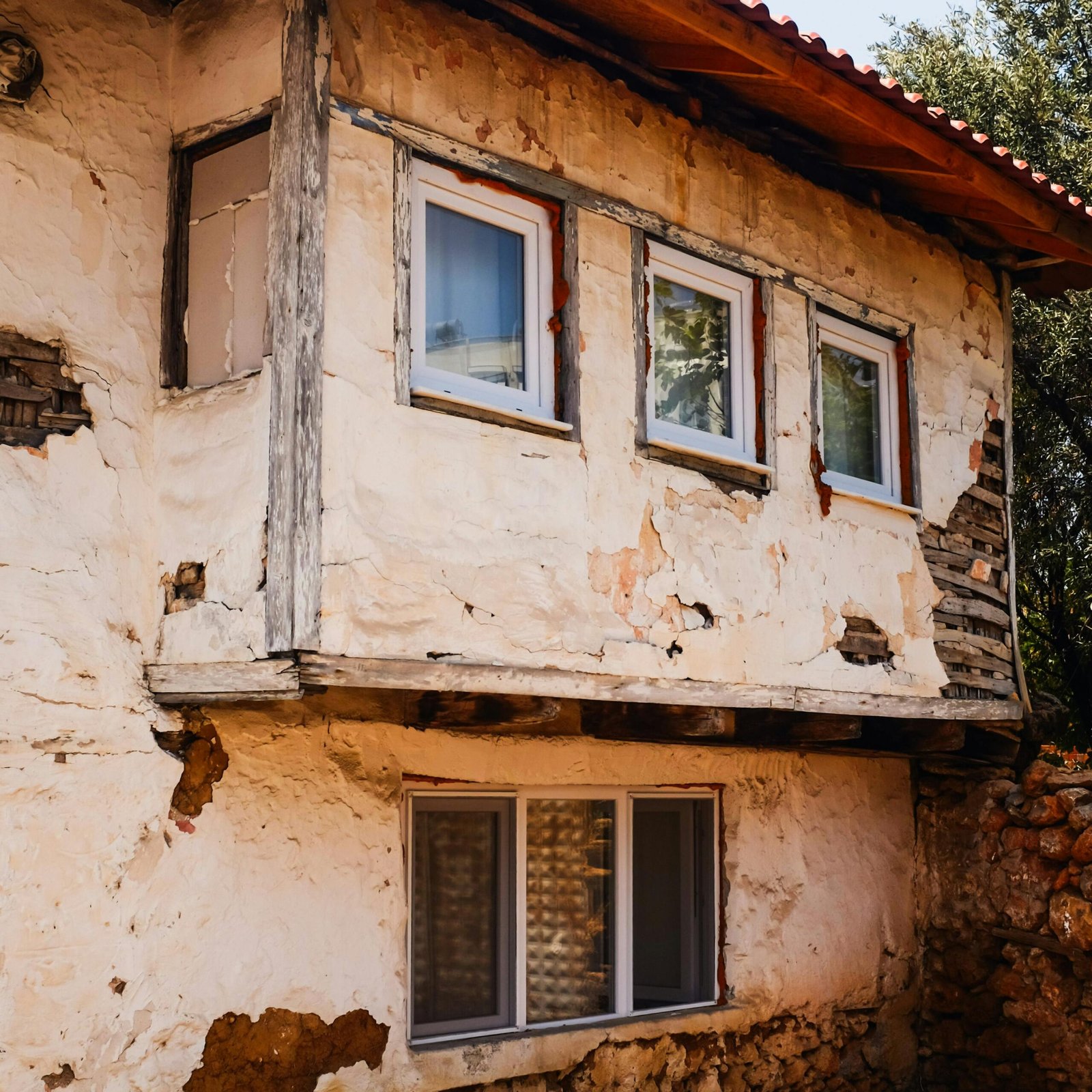
Stucco texture, traditionally used for exterior walls, is now celebrating its presence in interior wall textures as well. This technique involves applying a mixture of cement, sand, and lime to walls to create a rough, plaster-like finish. Stucco not only conveys a rustic charm but also stands as a durable option for hiding imperfections on the wall’s surface. To apply stucco, contractors typically use a trowel to spread the mixture evenly, followed by various tools to sculpt desired textures. The end result can vary significantly based on the application style, ranging from a smooth finish to a more rugged look.
For those who prefer sharper lines and defined patterns, the brushstroke technique is an apt choice. This involves using a paintbrush to create visible strokes on the wall, allowing for a multitude of designs, from stripes to abstract forms. By employing different brushes and applying varied pressure, distinct textures can be achieved, bringing a sense of individuality to the modern wall design.
Ultimately, textured paint techniques serve not only as an aesthetic enhancement but also as a functional element that can transform a room’s overall ambiance. Whether opting for the soft appearance of sponge techniques, the robust nature of stucco, or the artistry of brushstroke designs, these approaches allow for endless creativity and expression in wall texture design.
Incorporating Textures in Small Spaces
When working with small spaces, the challenge often lies in creating an inviting and dynamic atmosphere without overwhelming the area. The use of wall texture design can be an effective solution, injecting personality and depth into compact areas. A strategic approach to modern wall textures can elevate the aesthetic of your interiors while ensuring they remain functional and visually appealing.
One of the most impactful textured wall designs for confined spaces is the use of vertical lines. This can be achieved through various techniques, such as wainscoting or using elongated paneling. Vertical textures help to draw the eye upward, giving the illusion of higher ceilings and a more expansive area. Furthermore, opting for lighter colors for these textures can enhance the feeling of openness, making interior wall textures look airy and sophisticated.
Another effective wall finish idea is to incorporate subtle textures that do not dominate the space. Textured paint or wallpaper with a slight pattern can provide a visual interest without making the room feel cramped. Additionally, integrating materials such as reclaimed wood or stone can introduce a natural aesthetic that is warm and inviting while still being subdued enough for smaller areas.
Using a single accent wall can also be beneficial. By applying a bold texture on one wall, you can create a focal point without consuming the entire area with overwhelming designs. Patterns such as geometric shapes or even simple stucco can serve as stunning highlights that complement a streamlined design.
For those looking to stay on-trend, experimenting with mixed textures can add richness to smaller spaces. Combining various materials—such as smooth plaster with a rough brick—can create a balanced look, maintaining an interesting yet harmonious feel. Ultimately, focusing on how textures interact and play off one another will bring depth to your small space while adhering to the principles of modern wall design.
Mix and Match: Combining Different Textures
The art of combining various textures in wall design has gained significant popularity in modern interior aesthetics. Textured wall designs can bring depth and character to any space, and effective layering is key to achieving a cohesive look. The concept of mixing and matching different textures allows for a dynamic interplay that enhances the visual appeal of interior wall textures.
One effective strategy for combining textures is to strike a balance between varying materials and finishes. For instance, pairing a smooth, matte paint finish with a rough stucco or brick texture can create a harmonious contrast. This approach not only draws the eye but also adds complexity to the overall design. To implement this, homeowners and designers should ensure that the chosen wall texture ideas complement each other in terms of color schemes and styles.
Additionally, consider factors such as the scale and pattern of each texture. Large, bold wall textures may work well when contrasted with smaller, intricate designs. This juxtaposition can create an inviting atmosphere, allowing one texture to stand out without overwhelming the space. Incorporating modern wall textures alongside traditional elements can also reflect a broader aesthetic approach, blurring the lines between contemporary and classic styles.
Successful examples of combining textures in real-world applications can be found in various settings, from chic urban apartments to rustic farmhouses. In commercial spaces, such as cafes or boutiques, a mix of painted walls, reclaimed wood paneling, and decorative plaster can evoke a trendy yet welcoming vibe. Ultimately, the key to mastering the process lies in experimentation and an open mind to different wall finish ideas. Embrace wall texture trends that resonate with your style while remaining mindful of creating a unified and visually appealing outcome.
DIY Wall Texture Projects
Creating unique wall textures can transform the ambiance of any space, and with the right methods, these projects can be successfully undertaken by homeowners. DIY wall texture projects not only serve as a practical solution for enhancing interiors, but also stimulate creativity and personal expression. There are various wall texture ideas that can fit different styles and preferences, allowing individuals to explore modern wall textures that align with contemporary aesthetics.
One of the simplest techniques is the sponge technique, which involves applying paint with a sponge to create a soft texture. Begin by choosing two complementary colors; applying the base coat first, followed by the second color when it is dry, gently dabbing with the sponge. This method adds depth and richness to the wall, resulting in an appealing, textured wall design.
For a more robust texture, consider using joint compound, which can be easily molded to create different wall finishes. Applying the compound with a trowel will allow homeowners to create a hand-textured finish, reminiscent of stucco finishes. Once dried, this technique can be painted over in any shade and will provide depth and appeal to interior wall textures.
Another interesting DIY approach is the use of fabric to create a plush wall finish. By adhering upholstery or other soft fabrics to the wall, homeowners can create a cozy and visually stimulating surface. This technique is also flexible; fabric patterns can reflect personal style or modern wall design trends.
As the desire for creativity in home decor continues to grow, embracing DIY wall texture projects becomes a worthwhile endeavor. These projects allow for unique expressions and adaptable wall texture trends, making them an attractive option for any interior design enthusiast.
Conclusion: The Future of Wall Texture Design
As we explore the dynamic landscape of interior wall textures, it becomes evident that wall texture design is moving towards a more innovative and personalized approach. The trends discussed encompass a variety of styles and techniques that not only enhance the aesthetic appeal of spaces but also contribute to a deeper sensory experience. From bold patterns to subtle textures, the modern wall design trends invite creativity and reflect individual tastes.
Textured wall designs are playing a critical role in defining modern interiors. They serve as focal points, setting the tone for the ambiance of a room. The resurgence of interest in artisanal finishes and sustainable materials has fostered a rich diversity in wall texture ideas that cater to contemporary preferences. In particular, techniques such as sponge painting, plastering, and the use of wall coverings like fabric and wood, offer unique ways to incorporate depth and interest into interior environments.
Moreover, as we look ahead, it’s clear that wall texture trends will continue to evolve, influenced by advancements in technology and an increased awareness of environmental sustainability. The integration of smart materials, which can adapt textures based on lighting or mood, exemplifies how modern wall textures might transform the way we perceive and interact with our living spaces.
Ultimately, these trends encourage us to reimagine our interiors, considering how texture can enhance not just the visual appeal but also the overall atmosphere of any environment. By experimenting with various wall finish ideas—from minimalist designs to textured embellishments—individuals can create inviting and distinctive spaces tailored to their personal style. As we embrace these new possibilities, texture should be regarded as an essential element in modern interior design, providing a tangible connection to the experiences we hope to cultivate within our homes.