Introduction
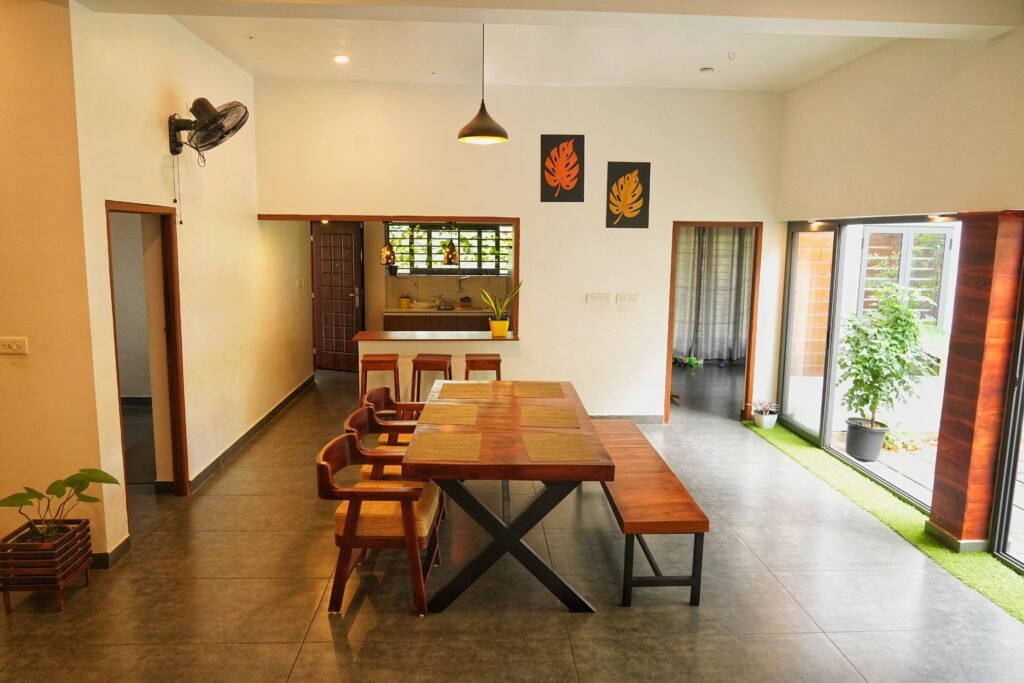
House construction in Kerala, a state located in the southern part of India, is undergoing a significant transformation that reflects the evolving needs of its population. Over the years, Kerala has garnered a reputation for its unique architectural styles that are a blend of traditional and modern influences. Elements such as sloping roofs, intricate woodwork, and open verandas, which are prominently featured in traditional houses, coexist with contemporary designs that prioritize functionality and sustainability.
The increasing demand for residential housing has been driven by several factors, including a growing population, urban migration, and the rise of expatriate communities from Kerala throughout the globe. This surge in demand has led to various housing projects, ranging from affordable homes to luxury villas, thereby accommodating a diverse demographic. Moreover, the state’s picturesque landscape, including backwaters, hills, and coastal areas, has made it an attractive destination for real estate development.
Several factors influence construction trends in Kerala. The state’s vibrant culture and ecological sensitivities often dictate the materials and methods used in building houses. Locally sourced materials such as laterite stone, timber, and clay bricks not only contribute to the aesthetics of the construction but also adhere to sustainability practices. Additionally, climate considerations play a crucial role; builders must ensure that homes are resilient to the unique weather patterns common to the region, including heavy monsoon rains. This fusion of traditional craftsmanship with modern techniques has made the construction industry in Kerala both dynamic and innovative.
Factors Influencing House Construction Costs
The construction costs of a house in Kerala are influenced by a variety of factors, each contributing to the overall budget. Understanding these elements is crucial for prospective homeowners looking to embark on their building journey.
One of the principal factors is the location of the construction site. Different areas in Kerala have varying real estate prices, which can significantly affect costs. Urban locations may present higher land prices compared to rural areas. Additionally, the accessibility of the site can impact costs; a site that is difficult to access may require special equipment or transportation means, driving up labor and resource costs.
Materials serve as another critical component of house construction expenses. The choice of materials, from basic bricks and mortar to premium finishes and fixtures, will have a direct impact on the overall budget. Moreover, sourcing local materials can prove to be more economical compared to imported ones, which may incur additional shipping charges. It is also essential to consider sustainability in material choices, as eco-friendly or energy-efficient options may lead to lower long-term costs.
Labor costs in Kerala are also an important factor, influenced by local wage standards and the availability of skilled labor. Hiring experienced labor may entail higher initial costs; however, their expertise could ensure quality workmanship, ultimately affecting the house’s durability and maintenance expenses. Fluctuations in labor rates during peak construction seasons can also lead to unexpected budget adjustments.
Finally, a homeowner’s design preference plays a vital role in cost determination. Custom designs or complex architectural features typically require more resources and time, leading to increased costs. Balancing aesthetic desires with practical budgeting is essential to achieving a satisfactory outcome.
Estimated Costs of Building a House in Kerala
Building a house entails various costs, which can greatly differ depending on numerous factors, including location within Kerala, the design of the house, land acquisition, materials used, and labor expenses. Understanding these costs is essential for prospective homeowners in Kerala.
One of the primary expenses involved in building a house is land acquisition. The price of land in Kerala varies significantly based on the area. Urban regions, particularly in major cities like Kochi and Thiruvananthapuram, tend to have higher land prices, whereas rural areas might offer more affordable options. It is crucial for homebuyers to research and assess land values in different regions to make informed decisions.
Next, materials constitute another substantial portion of the overall costs. The choice of materials directly impacts the quality and durability of the house. In Kerala, commonly used materials include concrete, bricks, steel, and wood. The cost of these materials can fluctuate based on market conditions and availability. Furthermore, incorporating eco-friendly materials is becoming increasingly popular, although they may come at a premium. Establishing a comprehensive budget that reflects the costs of high-quality materials is advisable to ensure long-term sustainability.
Labor costs add another layer of expense to the construction process. The rates for laborers, masons, electricians, and other skilled workers can vary by region and skill level. In Kerala, the demand for skilled labor is moderate, but it is necessary to secure qualified workers to ensure that the construction is carried out according to standards. Estimating labor costs should include not only wages but also any additional expenses related to hiring specialized contractors.
In conclusion, the estimated costs of building a house in Kerala are influenced by land, materials, and labor. Thorough research and planning can aid potential homeowners in accurately budgeting for their construction projects, ensuring a smoother building experience.
Types of Houses and Their Costs
Building a house involves a myriad of choices, particularly significant in a place like Kerala, where architectural styles reflect the cultural diversity and environmental conditions of the region. The primary types of houses include traditional homes, modern houses, and eco-friendly structures, each varying significantly in terms of cost.
Traditional homes in Kerala, often constructed using materials such as laterite stone, timber, and clay tiles, are designed to adapt to the local climate. The cost of a traditional house can range from INR 1,500 to INR 2,500 per square foot, depending on the intricacies of craftsmanship and the types of materials used. The distinctive features of these homes, such as sloping roofs and spacious verandas, not only support aesthetic appeal but also promote ventilation.
Modern houses, on the other hand, embrace contemporary architectural designs along with the utilization of new materials like concrete and glass. These structures are favored for their energy efficiency and are often built with a focus on space optimization. The cost of modern homes in Kerala typically ranges from INR 2,500 to INR 4,000 per square foot, influenced by design choices and fixtures included in the construction.
Eco-friendly structures, gaining increasing popularity, are built using sustainable materials and technologies. The costs for these green homes can start at around INR 2,000 per square foot but can rise significantly depending on the features incorporated, such as rainwater harvesting systems, solar panels, and organic materials. Investing in eco-friendly building not only mitigates environmental impact but can also lead to long-term savings in utility bills.
In essence, the range of house types available in Kerala reveals the rich architectural heritage and the adaptation to modern living conditions. Understanding these categories and their associated costs is crucial for potential homeowners looking to navigate the complexities of building a house in this vibrant state.
Legal Considerations and Permits
Building a house in Kerala involves navigating a series of legal requirements and obtaining necessary permits to ensure compliance with local regulations and standards. The process typically begins with understanding the zoning laws applicable to the intended construction site. Zoning regulations dictate the types of structures that can be built in specific areas, determining not only the use of the property—whether residential, commercial, or agricultural—but also the height, setbacks, and density of the construction.
In addition to zoning laws, builders must adhere to the Kerala Building Rules, which stipulate the construction standards and building codes that must be followed. These codes encompass various aspects of construction, including structural integrity, fire safety, sanitation, and accessibility. Compliance with these regulations is crucial to avoid legal issues and ensure the safety of the inhabitants.
The process of acquiring the requisite permits can vary greatly depending on the local government authority but generally involves submitting an application that includes detailed plans of the proposed building. Fees associated with these permits can significantly vary; some areas may have straightforward applications with minimal costs, while others might impose higher charges that encompass several layers of review and inspection.
Alongside construction permits, one must also consider additional approvals such as environmental clearances, especially in areas with ecological sensitivities. These added requirements can lead to unforeseen expenses and delays if not accounted for early in the planning phase. Consequently, it is essential for potential homeowners and builders to engage with local authorities or consult legal experts in real estate to navigate these legal complexities efficiently. Ultimately, understanding and addressing the legal considerations and permits are fundamental steps in managing the overall costs of building a house in Kerala.
Financing Your Home Construction: Options Available
Building a house in Kerala involves considerable financial planning, and understanding the available financing options is essential for prospective homeowners. One of the most common methods of funding home construction is through bank loans. Many financial institutions offer various types of home loans specifically designed for construction purposes, allowing borrowers to acquire funds as per their requirements. These loans generally come with an interest rate that may vary based on the lender’s policies, the borrower’s credit profile, and the prevailing lending rates in the market.
In addition to traditional bank loans, there are several government schemes available designed to facilitate home construction in Kerala. Initiatives such as the Pradhan Mantri Awas Yojana (PMAY) aim to promote affordable housing by providing subsidies on home loan interest rates. The Kerala State Housing Board also has its own schemes supporting individuals in building homes, particularly for lower-income groups. These schemes can significantly alleviate the financial burden of home construction, making the process more accessible for many families.
The impact of interest rates on the overall costs of building a house cannot be understated. Lower interest rates can lead to substantial savings over the life of the loan, reducing monthly installments and total repayment amounts. It is wise for borrowers to stay vigilant about market trends and select a financing option that aligns with their long-term financial capabilities. Additionally, they should consider fixed vs. variable interest rates; fixed rates offer stability, while variable rates can offer potential savings if rates decrease over time. As such, careful consideration and thorough research into financing options become paramount for anyone looking to build a house in Kerala.
Cost-Saving Tips for Home Builders in Kerala
When embarking on the journey of building a new home in Kerala, it is crucial to establish a budget and adhere to it to avoid unexpected expenses. Strategic planning can significantly reduce the overall costs without compromising on quality. One of the first cost-saving measures is selecting the right materials. Opting for locally sourced or readily available materials can reduce transportation charges and lead to significant savings. Additionally, consider materials that offer durability and low maintenance, as these will save on future costs.
Hiring the right contractors is another pivotal element in managing construction expenses. It is advisable to conduct thorough research and compare multiple contractors. Look for contractors who have a solid reputation and are well-versed with local building regulations in Kerala. This practice not only ensures the quality of workmanship but also prevents costly delays due to legal or technical issues.
Furthermore, engaging with an architect or a designer can help optimize the use of space, ensuring that your home is both functional and aesthetically pleasing while keeping costs in check. They can suggest designs that require fewer materials without sacrificing livability and style. It may also be worthwhile to explore prefabricated homes, which often present significant savings on both time and construction costs.
Lastly, it is important to plan for contingencies in your budget. A buffer for unforeseen expenses will help keep your project on track financially. By following these tips—focusing on the selection of materials wisely and hiring competent contractors—home builders in Kerala can create a welcoming home while effectively managing their construction costs.
Real-life Case Studies: Building a House in Kerala
Building a house in Kerala can be a rewarding experience, yet it often comes with a myriad of challenges and budget considerations. Through various real-life case studies, we illustrate how different individuals have navigated the complexities of constructing their homes in this beautiful state.
One notable case is that of a couple who decided to build their dream 1,500 square foot house in Kochi. Their total budget was set at approximately INR 40 lakhs. To manage costs effectively, they adopted a phased construction approach. Initially, they focused on the essentials, such as the foundation and structural framework, and postponed luxury finishes until a later phase. This strategic planning not only accommodated budget constraints but also allowed them to handle unexpected expenses without overwhelming financial pressure.
Another case involved a family that sought to build an eco-friendly, sustainable home in the outskirts of Thiruvananthapuram. Their budget was INR 30 lakhs, yet they faced significant challenges with pricing fluctuations in eco-friendly materials. To mitigate these costs, they engaged in thorough market research and sourced materials locally, which often proved to be more economical. They also embraced DIY solutions, involving family members in construction tasks that involved lesser technical skills, which effectively reduced labor costs.
Additionally, a retired couple in Calicut opted to downsize to a 1,000 square foot bungalow. Their budget was considerably lower, at about INR 25 lakhs. However, they encountered regulatory hurdles in obtaining necessary permits, which delayed the project. To stay within budget, they chose to live temporarily in a rented home while construction progressed, allowing them to avoid additional financial strain.
These case studies exemplify the diverse experiences individuals face while building a house in Kerala. From budgeting wisely to addressing unforeseen challenges, they highlight the importance of careful planning and adaptability in home construction.
Conclusion: Planning Your Dream Home in Kerala
Building a house in Kerala is an exciting endeavor that combines creativity, planning, and budget considerations. As we have discussed throughout this blog, understanding the costs involved is crucial for successful project completion. The process begins with careful budgeting, as setting a preliminary budget helps in identifying how much you can afford to spend on land, materials, labor, and additional expenses that may arise.
Proper planning plays an essential role in the construction journey. It is important to have a clear vision of your dream home and to communicate effectively with architects and builders. Engaging professionals who have experience in the local context can bring valuable insights to the table, ensuring that your design is not only aesthetically pleasing but also functional and compliant with local building regulations.
The importance of making informed decisions cannot be overstated. Researching various construction materials and their costs will enable you to maximize value while maintaining quality. Additionally, considering seasonal factors and local market trends will help in selecting the right time to initiate the construction process, potentially reducing labor and material costs.
As you plan your dream home in Kerala, always be prepared for the unexpected and remain flexible with your plans. With diligent preparation, budgeting, and informed decision-making, you can overcome challenges and create a home that meets your needs and exceeds your expectations. Ultimately, successful house construction in Kerala is achievable when their focus remains on thorough planning, realistic budgeting, and collaboration with skilled professionals.