Understanding the Importance of Total Cost Estimation
When planning to build a house, estimating the total cost is a fundamental step that deserves careful consideration. Many prospective homeowners often concentrate on the primary expenses associated with the construction process, such as land acquisition, materials, and labor. However, this focus on direct costs can lead to a significant oversight: the hidden costs of building a house.
Hidden costs can encompass a wide variety of expenses that are not immediately apparent during the initial stages of planning. These may include but are not limited to utility connection fees, permit costs, property taxes, and unforeseen site preparation requirements. Additionally, there are costs associated with landscaping, driveways, and even interior furnishings that may arise once the bones of the house are in place. As these expenses can accumulate, failing to account for them in the total cost estimation can result in considerable financial strain.
Furthermore, it’s essential to recognize that unexpected costs may arise due to changes in building codes, labor shortages, or fluctuations in material prices. For instance, if a specific material rises in price after the budget has been set, the total cost of constructing the home could increase unexpectedly. This unpredictability reinforces the necessity of a comprehensive approach to cost estimation, which includes not only the visible expenses but also the potential hidden costs that could emerge throughout the building project.
Ultimately, a thorough understanding of the total cost of building a house, including potential hidden costs, enables homeowners to create a more realistic budget. This proactive approach helps mitigate the risk of financial challenges that could jeopardize the completion of the home. By anticipating and planning for these expenses, homeowners can better ensure that their dream house becomes a reality without the burden of unforeseen financial distress.
Land Costs Beyond the Purchase Price
When contemplating the purchase of land for building a house, it is critical to recognize that the initial purchase price is only a part of the total cost. Various additional expenses can substantially affect the final expenditure associated with securing a suitable parcel of land. These expenses include property taxes, zoning fees, surveying costs, and potential land development expenses.
Property taxes are an ongoing expense that homeowners must pay, starting from the moment the land is acquired. These taxes can vary widely depending on the location, the assessed value of the land, and local tax rates. Therefore, understanding the property tax implications prior to purchasing land is essential to ensure that ongoing costs align with your budget.
Zoning fees may also come into play, particularly if you need to apply for changes to land usage. Zoning regulations are determined by local municipalities and can dictate what types of structures can be built on the land. If your intended use does not align with existing zoning laws, you may face additional costs for zoning variances or permits.
Surveying costs represent another key expense. Before building, it is advisable to have a professional survey the land to assess boundaries, elevations, and potential issues. A land survey can prevent future disputes and help inform the design of your home. Moreover, the price of surveying can vary depending on the size and complexity of the land, making it a factor that cannot be overlooked.
Finally, there may be additional land development expenses related to improvements such as grading, drainage, and utility access. The location and condition of the land significantly impact these costs; for instance, heavily wooded areas or land that requires extensive grading can incur higher expenses compared to flat, clear parcels. Overall, it is vital to conduct thorough research and budgeting to account for these additional land-related costs, ensuring an accurate financial picture before embarking on your construction journey.
Construction Costs: More Than Just Materials

When planning to build a house, it is essential to grasp that construction costs encompass much more than simply the price of raw materials. While expenses related to lumber, concrete, and other essential building supplies are significant, they only represent a portion of the total financial outlay required for a construction project. Other critical elements can substantially influence the overall budget.
Labor costs, for instance, are often among the most considerable expenses in residential construction. Skilled tradespeople, including carpenters, electricians, and plumbers, command competitive wages for their expertise and experience. Additionally, the labor market can affect these costs; during a construction boom, demand for skilled workers can drive wages higher, impacting your overall budget more than anticipated.
Moreover, contractor fees must be factored into the financial equation. General contractors play a vital role in coordinating various trades and managing the construction timeline. They typically charge a percentage of the total project cost or a flat fee, which can add to your budget significantly. It is crucial to select a reputable contractor who provides transparency regarding their fees to avoid unexpected financial surprises.
Permits and inspections are often overlooked costs that can add to the total expenditure. Local regulations usually require various permits for construction, such as building, electrical, and plumbing permits. The fees associated with these permits can vary depending on the location and size of the project. Inspections, which are mandated to ensure compliance with building codes, can also incur additional charges. These costs, when combined, can significantly affect your budget, emphasizing the need for thorough planning.
Ultimately, understanding the myriad factors contributing to construction costs, such as labor fees, contractor charges, permits, and inspections, will help you establish a more accurate budget before embarking on your home-building journey.
Utility Installation and Connection Fees
When building a new home, one of the often-overlooked aspects is the installation and connection of essential utilities such as water, gas, electricity, and sewage systems. These services are vital for making a house livable, yet the associated costs can lead to significant surprises for homeowners. Many choose to focus solely on the construction costs, neglecting potential hidden costs associated with utility setups.
Utility connection fees can vary considerably based on a variety of factors including your location, the availability of services in your area, and the distance from existing connections. For example, if you are building in a remote area, the costs can escalate dramatically due to the need for extensive infrastructure. Service providers typically charge installation fees that may include the costs of laying new lines, permits, and labor. These initial connection costs for water and sewage services can sometimes range from a few hundred to several thousand dollars, depending on the situation.
In addition, utility companies may require payment for impact fees, which reflect the increased demand for services resulting from new construction. Moreover, some regions have varying deposit requirements for new customers, which adds another layer of costs that need to be factored into the budget. Electric and gas companies often have their own sets of fees, including service charges and costs for any necessary upgrades to the existing infrastructure.
Understanding these utility installation and connection fees is essential for prospective homeowners. It is advisable to conduct thorough research and consult with local utility providers before commencing the building process. This proactive approach can help in budgeting accurately, ensuring that unforeseen expenses do not hinder the successful completion of your new home.
Unexpected Site Preparation and Soil Issues

When embarking on the journey of building a new home, one critical aspect that is often underestimated is the potential costs associated with site preparation and soil conditions. Site preparation typically involves grading, excavation, and the clearing of the land, which can set the foundation for the project. The adequate preparation of the site not only adheres to local building codes but also ensures the structural integrity of the future home.
The grading process involves leveling the land to create a flat area for construction and to facilitate proper drainage. However, unexpected challenges may arise during this phase, necessitating additional work. For instance, if the site is situated on a slope or contains large boulders or trees, costs may increase significantly due to the required machinery and labor for removal.
Soil conditions play a pivotal role in building costs. Different soil types can affect the foundation stability and may lead to the need for specialized foundation systems to accommodate or mitigate underlying issues. For example, clay-rich soils can expand and contract, potentially causing structural damage over time. In such cases, geotechnical engineers may need to be consulted, adding to the overall expenses of the project.
Furthermore, if the soil is found to be unstable or prone to erosion, land stabilization techniques may be necessary to secure the foundation. This could involve additional efforts like installing retaining walls or drainage systems to protect the home from water damage or soil shifts. Such unanticipated expenditures can accumulate, leading to a significant increase in the initial budget for home construction. Thus, it is crucial for prospective homeowners to consider these hidden costs in their planning processes to avoid financial strain later.
Landscaping and Outdoor Space Development

When embarking on the journey of building a house, it’s easy to focus on the significant costs associated with the structure itself, such as materials, labor, and permits. However, one of the often-overlooked areas of expense is landscaping and outdoor space development. These costs can vary widely depending on the features you envision for your yard and how much work you are willing to undertake yourself.
Landscaping expenses encompass a range of elements including plant selection, soil preparation, and installation. While you may prefer a low-maintenance garden, it is essential to consider the costs associated with different types of plants, mulch, and gravel. In addition, opting for professionally designed landscapes risks further increasing your spending. You might also want to include more intricate outdoor elements, like pathways or decorative stones, which can add significantly to your overall budget.
Moreover, outdoor structures such as decks, patios, and pergolas are common desires for homeowners aiming to enhance their outdoor living spaces. The materials utilized for these structures, whether wood, composite, or stone, come with varying price tags. Fencing may also be a necessary addition for privacy and security, and the costs can escalate based on the type of material chosen, as well as the extent of the installation needed.
Lastly, additional features like outdoor lighting, irrigation systems, and garden furniture should also be considered when budgeting for landscaping. These elements contribute significantly to the overall enjoyment and functionality of your outdoor area but can create unforeseen expenses if not properly planned for during the initial budgeting phase.
Interior Design and Finishing Costs
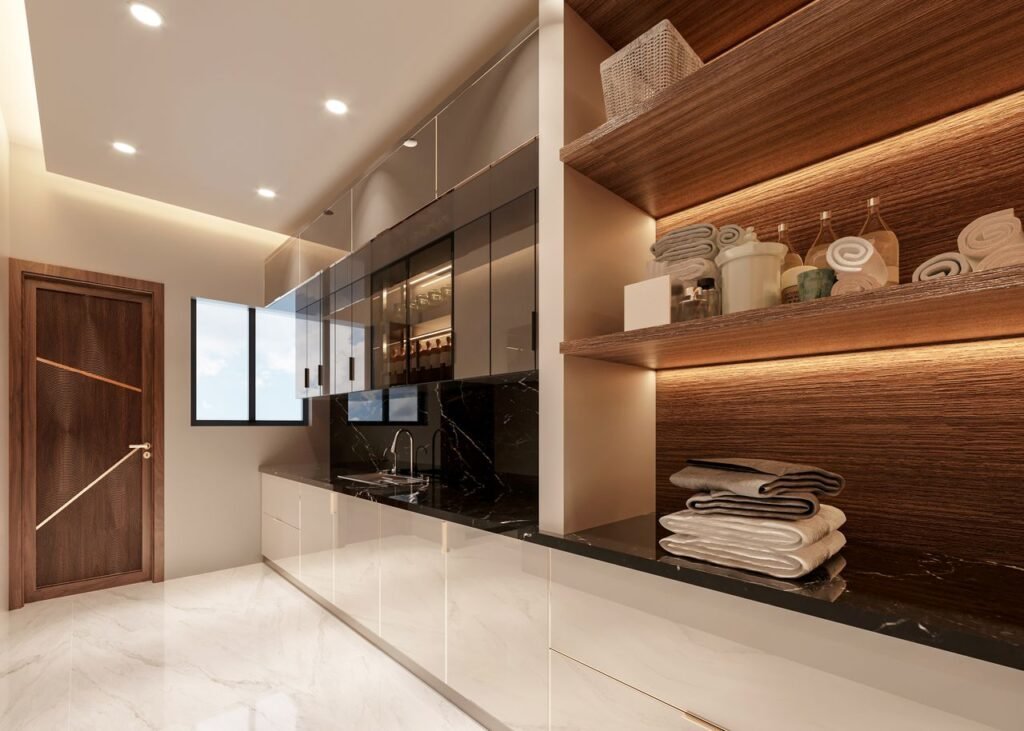
When embarking on the journey of building a home, many prospective homeowners often overlook the myriad of hidden costs associated with interior design and finishing. These costs can vary significantly based on personal choices and the quality of materials selected, impacting the overall budget in unexpected ways. Flooring, cabinetry, fixtures, and appliances are critical elements that contribute to the aesthetic appeal and functionality of a home.
Flooring options range from hardwood to tile, and each choice carries different price points. It’s important to consider not only the initial cost of the material but also installation expenses, which can vary based on the complexity of the flooring type. For instance, intricate tile patterns may require skilled labor, resulting in increased costs. Furthermore, homeowners should account for long-term maintenance and durability when choosing flooring, as these factors can influence future expenditures.
Cabinetry is another significant area where costs can escalate quickly. Custom-built cabinets may provide a unique aesthetic tailored to personal tastes, yet they come at a premium compared to pre-fabricated options. The choice of materials, finishes, and hardware can also add to the expense. High-quality cabinetry not only enhances the visual appeal of the kitchen or bathroom but can also enhance the overall value of the home.
Fixtures and appliances are equally vital in the finishing process. Upgrading to energy-efficient appliances may entail higher upfront costs but can result in savings over time through reduced energy bills. Similarly, choosing designer fixtures can amplify the luxurious feel of a space but can also inflate the budget.
In conclusion, homeowners should thoroughly consider their preferences in interior design and finishes, as these choices significantly impact both the aesthetic and financial aspects of building a house. Understanding the potential hidden costs associated with these elements is crucial for maintaining control over the overall project budget.
Insurance and Warranty Expenses
Building a house is an intricate process that often includes hidden costs, with insurance and warranty expenses playing a significant role in safeguarding your investment. Homeowner’s insurance, construction insurance, and various warranties are critical components that should not be overlooked. Many individuals embarking on the home-building journey underestimate these expenses, only to find themselves financially unprepared when unexpected issues arise.
Homeowner’s insurance is a necessity for protecting your property against damage from unforeseen events such as fire, theft, or natural disasters. The cost of this coverage varies based on factors like location, size, and value of the home, often leading buyers to miscalculate the total expense of homeownership. It is essential to obtain a policy that comprehensively covers not just the structure of the home but also personal belongings and liability protection.
Construction insurance, on the other hand, covers risks associated with the building process itself. This form of insurance mitigates risks related to accidents or damages during construction, which can happen due to various factors, such as weather events or worker injuries. The costs associated with construction insurance should be included in your overall budget to prevent any financial setbacks during the building phase.
Additionally, warranties on workmanship and materials provide further protection. These warranties ensure that if defects occur within a specified timeframe, the builder is obligated to fix them at no extra cost. While warranties may require an upfront investment, they represent a sensible expenditure when considering long-term protection against potential issues that may arise after the construction is complete.
In summary, when planning for your new home, it is crucial to factor in the costs of homeowner’s insurance, construction insurance, and warranties. These expenses are essential for securing your financial interests and ensuring a successful and worry-free building experience.
Long-Term Maintenance and Upkeep Costs
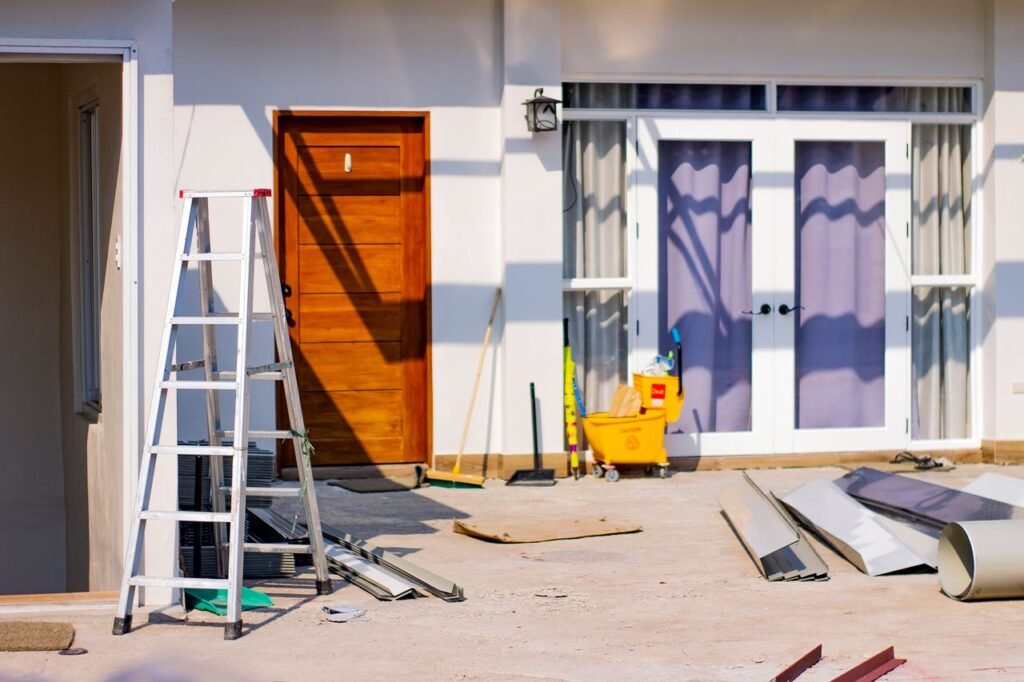
When embarking on the journey of building a house, it is crucial to account for long-term maintenance and upkeep costs, which are often underestimated by new homeowners. These expenses encompass a range of necessities that ensure the longevity and comfort of your property. Regular maintenance plays a significant role in avoiding major repairs down the road, as neglecting essential upkeep can lead to deteriorating conditions and more exorbitant costs over time.
First and foremost, property maintenance expenses include routine tasks such as lawn care, pest control, and seasonal inspections, which are vital to preserving the home’s integrity. For example, gutters require regular cleaning to prevent water damage, while HVAC systems need periodic servicing to function properly. Homeowners should also budget for repairs that arise unexpectedly, including plumbing leaks, roof damages, or appliance failures. Such emergencies can lead to significant financial strain if not adequately planned for.
Another critical aspect of long-term costs is the need to allocate funds for cosmetic upgrades and renovations. Over time, styles change, and wear and tear can diminish the aesthetic appeal of a home, prompting homeowners to invest in updates. This might include repainting interiors, replacing flooring, or modernizing an outdated kitchen.
Moreover, annual property taxes and homeowner’s insurance should also be factored into the long-term financial equation. As property values fluctuate, taxes may increase, leading to unexpected financial obligations. Insurance, while providing peace of mind, can also become a substantial recurring expense, particularly if coverage levels are adjusted.
Ultimately, successful homeownership requires a comprehensive understanding of not only the immediate costs associated with building a house but also the ongoing financial commitment related to maintenance, repairs, and emergencies. Establishing a detailed budget that encompasses these aspects can greatly reduce the likelihood of unpleasant financial surprises and help ensure that your home remains a secure and comfortable place for years to come.