Understanding the Value of Your Old House
Assessing the value of an old house is a multifaceted process that hinges on various factors, including historical significance, aesthetic appeal, and potential monetary value. First, it is essential to evaluate the architectural characteristics of the home. Distinctive styles, techniques, and materials that are representative of a specific era can indicate the historical importance of the property. This evaluation may involve researching the architectural history of the house and comparing it with similar structures in the area.
Additionally, local historical designations play a crucial role in determining value. Some properties may be eligible for historical recognition by municipal or national registries, which can enhance both their status and market value. Homeowners should investigate local regulations and resources available to determine if their property holds any designation that could influence its worth.
An often-overlooked aspect of assessing value lies in potential property appreciation if the house is restored rather than demolished. Restoring a vintage home can lead to significant increases in property value, especially in neighborhoods where preservation efforts are supported. Understanding current market trends and the demand for restored properties can inform this decision. Consulting with experts, such as real estate agents who specialize in historical homes and professional home restoration specialists, can offer insights into both the aesthetic merits and financial implications of renovating an old house.
These professionals can provide assessments based on comparable sales, neighborhood dynamics, and the costs associated with restoring the house to its former glory. Through this collaborative effort, homeowners can evaluate whether their old house possesses intrinsic value that would make renovation a viable option over demolition. As you explore these considerations, it is imperative to gather varied perspectives to make a well-informed decision about the future of your old home.
Signs Your Home May Need Demolition
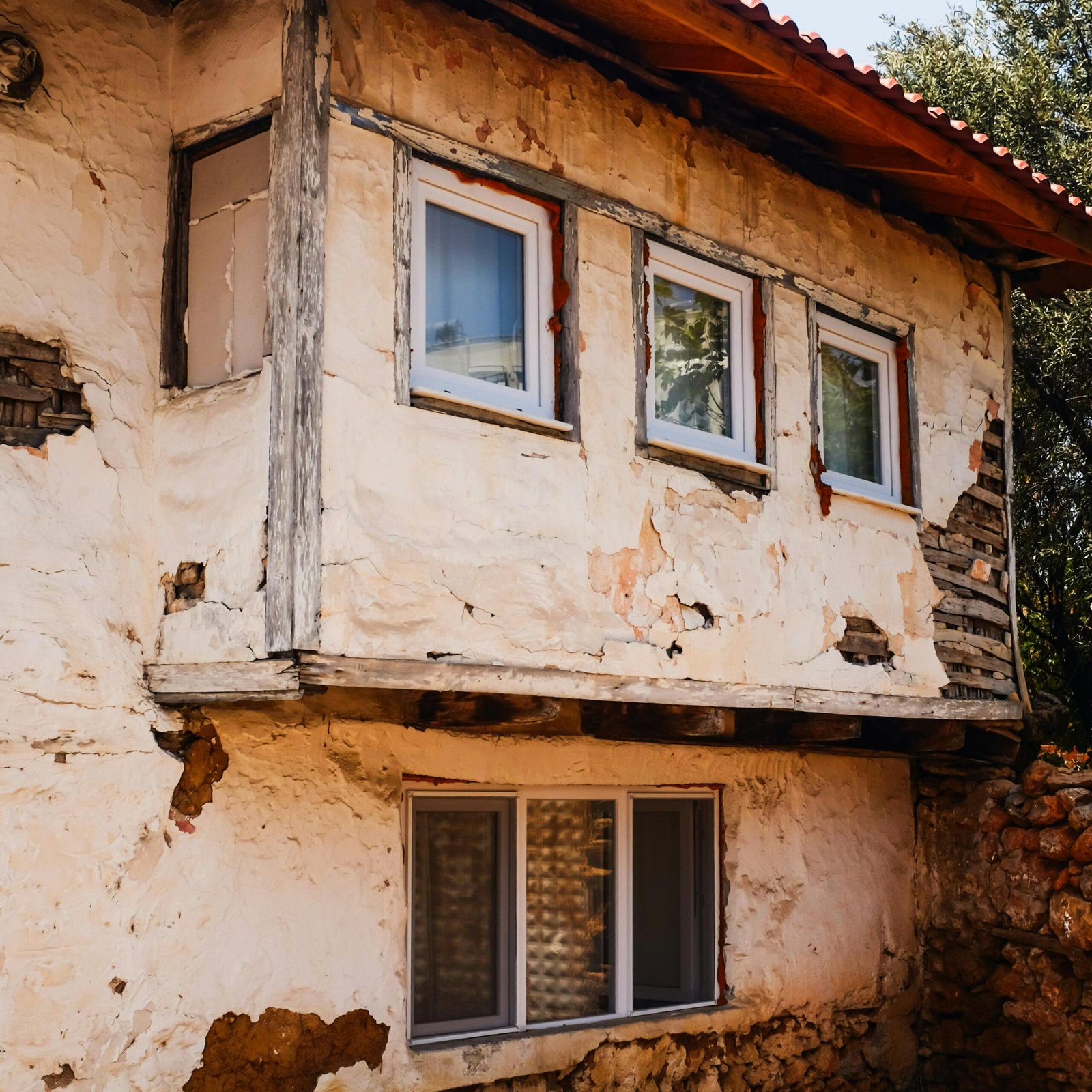
Deciding whether to renovate or demolish an old house can be a daunting task. However, certain key indicators can suggest that demolition might be the most prudent option for your home. One of the most significant signs is the presence of severe structural issues. When foundational problems become apparent, like visible cracks in the walls or floors, it is essential to assess the extent of the damage. If repairs are too extensive or cost-prohibitive, it may be more practical to consider demolition instead.
Another indicator of the need for demolition is extensive damage inflicted by pests or natural disasters. Infestations by termites or rodents can compromise the integrity of a home, leading to costly repairs that may not be feasible. Similarly, damage from hurricanes, floods, or earthquakes can render a structure unsafe. If structural engineers deem a house unsafe for occupation due to these damages, demolition may be the appropriate course of action.
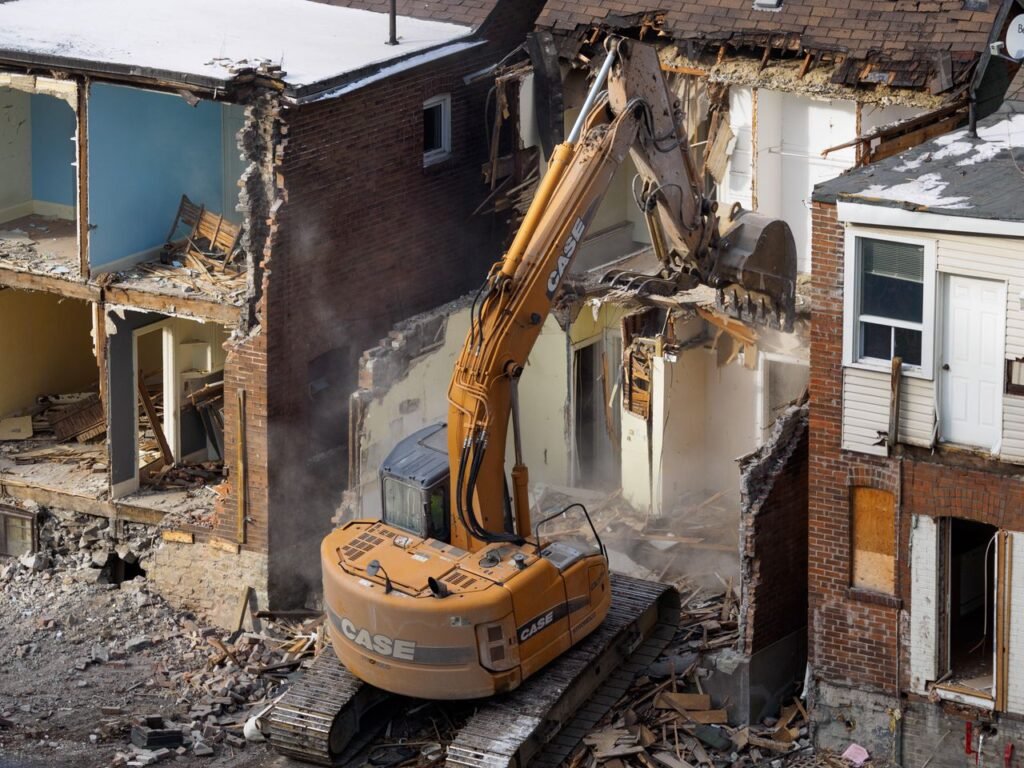
Furthermore, the financial implications of renovation versus demolition should not be overlooked. If the estimated costs to bring an old home up to current building codes exceed a reasonable percentage of the home’s value, it may signify a poor investment. In such cases, demolishing the existing structure allows homeowners to start afresh without the burden of outdated systems, potentially offering a greater return on investment in the long run.
Emotional factors also play a crucial role in this decision. While leaving behind a home full of memories can be bittersweet, the prospect of creating a new living space that caters to contemporary needs may outweigh the nostalgia. Embracing a clean slate can provide not just structural benefits but also an opportunity for a fresh beginning. Ultimately, evaluating these factors will help clarify whether renovation or demolition aligns better with your goals and circumstances.
When Renovation is the Right Choice
Renovating an old house can often be the most practical choice for homeowners looking to preserve both the character and historical significance of their property. Various conditions make renovation not only a viable option but a preferable one. First and foremost, if the existing structure has sound bones—meaning it is free from major structural issues—renovation offers a unique opportunity to modernize while retaining the essence of the home.
One of the primary advantages of a renovation is the ability to maintain the classic charm often found in older homes. Features such as original molding, antique fireplaces, and hardwood flooring can be preserved and complemented by incorporating modern amenities. For instance, retrofitting with energy-efficient windows or insulation can significantly enhance energy performance, bringing the house into the 21st century while respecting its historical roots.
Moreover, successful renovation projects can serve as an inspiration for others considering this route. Case studies of homes that have undergone striking transformations can demonstrate the potential of old properties when paired with the right vision. One notable example includes a Victorian-style home that was renovated to include open-concept living spaces while keeping its facade and architectural details intact. Such projects can emphasize how thoughtful renovations can bring together functionality and aesthetics.
In addition to aesthetic upgrades, modernizing the plumbing, electrical systems, and interior layouts can vastly improve livability without sacrificing character. These enhancements not only increase comfort but can also add value to the property. When carefully planned, renovations can yield a harmonious blend of the past and present, ensuring the home continues to tell its story while meeting the needs of current occupants.
Ultimately, deciding to renovate should focus on the potential for revival. If the older home has strong emotional or historical ties, investing in renovation can create a legacy for future generations, making it a worthwhile endeavor worth considering.
Making the Decision: Factors to Consider
When faced with the dilemma of whether to renovate or demolish an old house, several critical factors must be taken into account. The decision-making process should not be taken lightly, as it can profoundly impact your financial situation, emotional well-being, and the environment around you.
First and foremost, consider the financial implications of each option. Renovation often appears less costly on the surface; however, it is essential to assess the total expenses involved, including potential unexpected repairs that may arise during the process. Conversely, demolition can involve significant upfront costs, including permits and site clearing, but it may yield more predictable outcomes. Evaluating the local real estate market can also provide insight; renovated homes may fetch a higher resale value compared to their demolished counterparts.
Time considerations also play a pivotal role in this decision. Renovation projects can extend over several months or even years, depending on the scope of the work. Homeowners should factor in their plans and lifestyle needs during this time. On the other hand, demolition may open avenues for new builds, facilitating a faster turnaround. Ensure you account for any disruptions that may arise during construction or demolition, particularly if you currently occupy the property.
Additionally, personal attachment to the property cannot be overlooked. Many homeowners have emotional ties to their homes, which can cloud judgments. Reflect on the memories, historical significance, or the unique characteristics of the house that may sway your decision toward renovation. Furthermore, consider the impact of your choice on the local community. Renovating a historic home can enhance neighborhood character, while a new build may align more with modern developments.
To aid in your decision-making, consider creating a checklist that encompasses these factors. Weigh the costs, timeframes, emotional ties, and community impact against each other to arrive at a well-informed conclusion.