Introduction to Landscape Design
Landscape design is a multifaceted discipline that combines art and science to create aesthetically pleasing and functional outdoor spaces. This discipline encompasses various elements, including plants, terrain, water features, and built structures, all harmoniously integrated to enhance the overall environment. The primary goal of landscape design is to develop spaces that not only meet the practical needs of the users but also enrich their experience through visual appeal and emotional engagement.
In modern landscape design, careful consideration is given to the balance between natural elements and human-made structures. Incorporating sustainable practices is essential, as it promotes environmental health while offering a delightful aesthetic. For instance, utilizing native plants in garden landscaping ideas can support local biodiversity, enhance beauty, and reduce maintenance efforts. Similarly, integrating hardscape elements such as patios, walkways, and retaining walls can improve functionality and accessibility in outdoor spaces.
The importance of landscape architecture cannot be overstated. It serves various purposes, including creating inviting recreational areas, enhancing residential properties’ curb appeal, and providing essential space for relaxation and socialization. Front yard landscaping can make a significant first impression, while backyard landscape ideas can transform an ordinary space into a serene retreat. By employing innovative outdoor design ideas, homeowners can maximize their property’s potential and foster a more connected relationship with nature.
Moreover, modern garden design trends emphasize the need for spaces that are not just visually appealing but also conducive to different lifestyles and activities. This can involve the creation of multifunctional areas, such as outdoor kitchens, fire pits, or cozy seating arrangements, effectively enhancing the outdoor experience for individuals and families alike. Overall, embracing innovative landscape design ideas can elevate the atmosphere of any outdoor space, making it more enjoyable, sustainable, and harmonious with its natural surroundings.
Understanding Your Space: Assessing Your Landscape
Before embarking on any innovative landscape design ideas, it is crucial to thoroughly assess your outdoor space. This assessment serves as the foundation for any successful landscaping project, enabling you to make informed decisions that align with your aesthetic preferences and functional needs. Key factors to consider include the size of the area, topography, sunlight exposure, soil type, and existing vegetation.
The size of your landscape plays a pivotal role in determining the scope of your design. Whether you are working with a small garden or an expansive backyard, the dimensions will influence your garden landscaping ideas. Smaller spaces may require creative solutions, such as vertical gardening or the use of mirrors, to optimize visual depth, while larger areas can accommodate more elaborate designs.
Topography also significantly impacts landscape architecture. Sloped terrains might necessitate terracing or the incorporation of retaining walls, which not only adds functionality but can also serve as a stunning visual element within your modern garden design. Additionally, understanding the sunlight exposure in different parts of your yard will inform your plant choices. Certain plants thrive in full sun, while others prefer shadier conditions, making it essential to map out these variations as part of your outdoor design ideas.
Another vital aspect of your landscape assessment is evaluating the soil type. Soil quality directly affects plant health, requiring considerations for drainage and soil amendments where necessary. Existing vegetation should also be surveyed; retaining mature trees or shrubs can enhance your landscape and provide a backdrop for newly planted designs.
Incorporating these elements into your planning will not only streamline the execution of your backyard landscape ideas but will also ensure that your outdoor space is both aesthetically pleasing and functional. By methodically evaluating your landscape, you pave the way for a design that resonates with both your vision and the natural characteristics of your property.
Setting Goals: Defining Your Landscape Vision
Creating a successful outdoor space begins with a clear understanding of what you want to achieve. Defining your landscape vision involves a process of introspection, exploration, and planning. The first step involves identifying your personal preferences. What appeals to you aesthetically? Do you lean towards modern landscape design, or do you prefer traditional elements? Consider looking at garden landscaping ideas online to inspire you, focusing on colors, textures, and plant varieties that resonate with your tastes.
Next, think about your lifestyle needs. This consideration is essential in determining how you want to use the outdoor space. For instance, if you frequently host gatherings, outdoor design ideas should cater to entertaining, perhaps integrating an outdoor kitchen or open seating areas. Conversely, if your intention is to cultivate a quiet retreat for relaxation, the focus should shift towards creating tranquil corners using modern garden design principles that promote comfort and serenity.
In addition to personal style and lifestyle wants, it is crucial to set realistic expectations. Take into account the size of your outdoor area, the climate of your region, and the resources available for maintaining the landscape. For example, backyard landscape ideas must consider the layout, sun exposure, and existing structures. A detailed layout plan incorporating front yard landscaping elements can help visualize the transformation over time, allowing for adjustments along the way.
Ultimately, having a well-defined vision will guide your decisions throughout the process of landscape architecture, ensuring that your outdoor space reflects both your identity and functional needs. By synthesizing what you value, how you intend to use the space, and what is feasible, you lay the groundwork for a successful landscape design journey.
Incorporating Elements of Nature: Plant Selection
When embarking on modern landscape design, the selection of plants plays a fundamental role in creating a harmonious outdoor space. The choice of plants should reflect not only aesthetic appeal but also functionality and sustainability. To achieve the desired outcome, it is essential to consider factors such as climate, maintenance level, color, texture, and seasonal interest.
Firstly, understanding one’s local climate is crucial in ensuring that the selected plants thrive and contribute positively to the landscape architecture. By choosing plants suited to the region’s weather patterns, homeowners can foster a more sustainable environment, minimizing water usage and maintenance requirements. This leads to a more efficient garden landscaping approach and can reduce long-term costs.
Moreover, varying the plants’ colors and textures can introduce depth and interest into both front yard landscaping and backyard landscape ideas. For instance, integrating flowering plants, evergreen shrubs, and ornamental grasses can create a visually appealing tapestry that changes throughout the seasons. This diversity not only enhances aesthetics but also supports wildlife by providing food and shelter.
Another critical consideration is the distinction between native and non-native plants. Native plants are often well-suited to the local ecosystem, requiring less water and care while being beneficial to local fauna. Conversely, non-native plants may offer unique aesthetic qualities but can often demand more maintenance and resources. By thoughtfully selecting a mix of both, you can create outdoor design ideas that are both beautiful and environmentally sound.
In conclusion, the thoughtful selection of plants is integral to effective landscape design ideas. By prioritizing climate compatibility, aesthetic diversity, and ecological support, one can cultivate a thriving outdoor environment that aligns with modern garden design principles and enhances overall landscape appeal.
Creating Focal Points: Features to Enhance Your Landscape
In landscape design, focal points are essential as they draw the eye and create visual interest throughout outdoor spaces. These features can significantly enhance the aesthetic appeal of a garden while also helping to define various zones within the landscape. By thoughtfully incorporating focal points, one can achieve a cohesive look that combines form and function. The choice of features that can serve as focal points is vast, allowing for creativity and personal expression.
Sculptures are a popular focal point in modern landscape design. They can range from large, abstract pieces that serve as conversation starters to more traditional statues that evoke a sense of history. These artistic elements not only provide an intriguing visual but also reflect the owner’s personal taste. Moreover, incorporating lighting around sculptures elevates their prominence during evening hours, creating a striking nighttime effect.
Water features, such as fountains or small ponds, are another effective way to introduce focal points in outdoor design. The soothing sound of flowing water adds a serene ambiance to the garden, enhancing relaxation. These features can be designed to complement the overall theme of the landscape, whether it be a contemporary zen garden or a traditional English garden.
Seating areas also serve as significant focal points while providing functionality. By incorporating benches, hammocks, or even pergolas, these areas can create inviting spaces for relaxation and gatherings. Strategically positioning seating areas can define different zones within the landscape and encourage exploration.
Lastly, garden paths can act as both functional and aesthetic focal points. Using various materials such as stone, gravel, or wooden planks allows for creativity in design while guiding visitors through the landscape. A well-defined path can enhance the structure of the garden and invites people to engage with the various elements within it.
Sustainable Design Practices
Sustainable landscape design ideas play a vital role in creating ecologically sound and resource-efficient outdoor spaces. By emphasizing practices that promote environmental health, homeowners can achieve modern landscape design that not only looks appealing but also benefits the planet. One effective method is xeriscaping, which involves selecting drought-resistant plants and designing a landscape that requires minimal irrigation. This approach not only conserves water but also encourages the use of native plants that are well-suited to the local climate and ecosystem.
Compounding on this, incorporating native plants into your garden landscaping ideas is essential for fostering local biodiversity. Native species are adapted to the local environment and typically require less maintenance, reducing the need for fertilizers and pesticides. They serve as habitats for native wildlife, contributing to a balanced ecosystem in your outdoor space. Additionally, grouping these plants into communities mimics natural ecosystems, further enhancing their sustainability.
Efficient irrigation systems are another critical component of sustainable design. Implementing drip irrigation or rainwater harvesting can significantly reduce water waste. These modern garden design techniques allow for optimal water use, directing moisture precisely where it is needed most, thereby promoting healthy plant growth without excessive water consumption.
Furthermore, composting organic waste is a practice that supports soil health and minimizes landfill contributions. By recycling kitchen scraps and yard waste, you can create nutrient-rich compost that nourishes your garden, improving soil structure and fertility. This method aligns with the principles of landscape architecture by promoting a closed-loop system in your outdoor environment.
In crafting backyard landscape ideas that resonate with these principles, homeowners can develop stunning, sustainable spaces that reflect contemporary values while promoting ecological responsibility. Integrating these sustainable design practices into both front yard landscaping and backyard designs allows individuals to play a proactive role in addressing environmental challenges.
Incorporating Hardscaping: Balancing with Softscaping
Hardscaping plays a pivotal role in modern landscape design, as it encompasses the non-plant elements within an outdoor space. This includes materials such as stone, concrete, and wood, which can be strategically employed to create pathways, patios, and retaining walls. By integrating these elements with softscaping, which involves plants and greenery, one can achieve a harmonious balance that enhances the overall aesthetic and functionality of the landscape.
Pathways made of natural stone or stamped concrete invite exploration and ensure that your outdoor design ideas remain practical. They guide visitors through the garden while defining the areas designated for various activities such as entertaining, relaxing, or gardening. This strategic use of hardscaping not only adds structure but also complements the softer components, enhancing garden landscaping ideas.
Patios serve as essential social hubs within backyard landscape ideas. When crafted from durable materials like pavers or treated wood, they can become visually appealing spaces for outdoor dining and gatherings. Choosing materials that match the architectural style of your home can further unify the space, highlighting modern garden design principles. Incorporating pergolas or shade structures can enrich these hardscaped areas, providing comfort and enhancing the usability of outdoor spaces throughout the day.
Retaining walls made of local stone or engineered blocks can effectively manage slopes and prevent soil erosion while also contributing an aesthetic element to the landscape architecture. These structures can be creatively designed with built-in seating or planters that incorporate softscaping features, resulting in an inviting atmosphere. The interplay between hardscaping and softscaping is crucial for creating a landscape that not only looks beautiful but also operates sustainably. Therefore, thoughtful consideration of materials and their application in your design is essential for optimizing the outdoor environment.
Lighting Your Landscape: Effects of Outdoor Illumination
Outdoor lighting plays a pivotal role in enhancing both the aesthetics and functionality of landscape design. By strategically implementing various lighting options, homeowners can illuminate their gardens and outdoor spaces, giving life to their landscape architecture even after the sun sets. Choosing the right lighting solutions not only serves practical purposes but also transforms the ambiance of an outdoor area, significantly impacting social interactions and personal enjoyment.
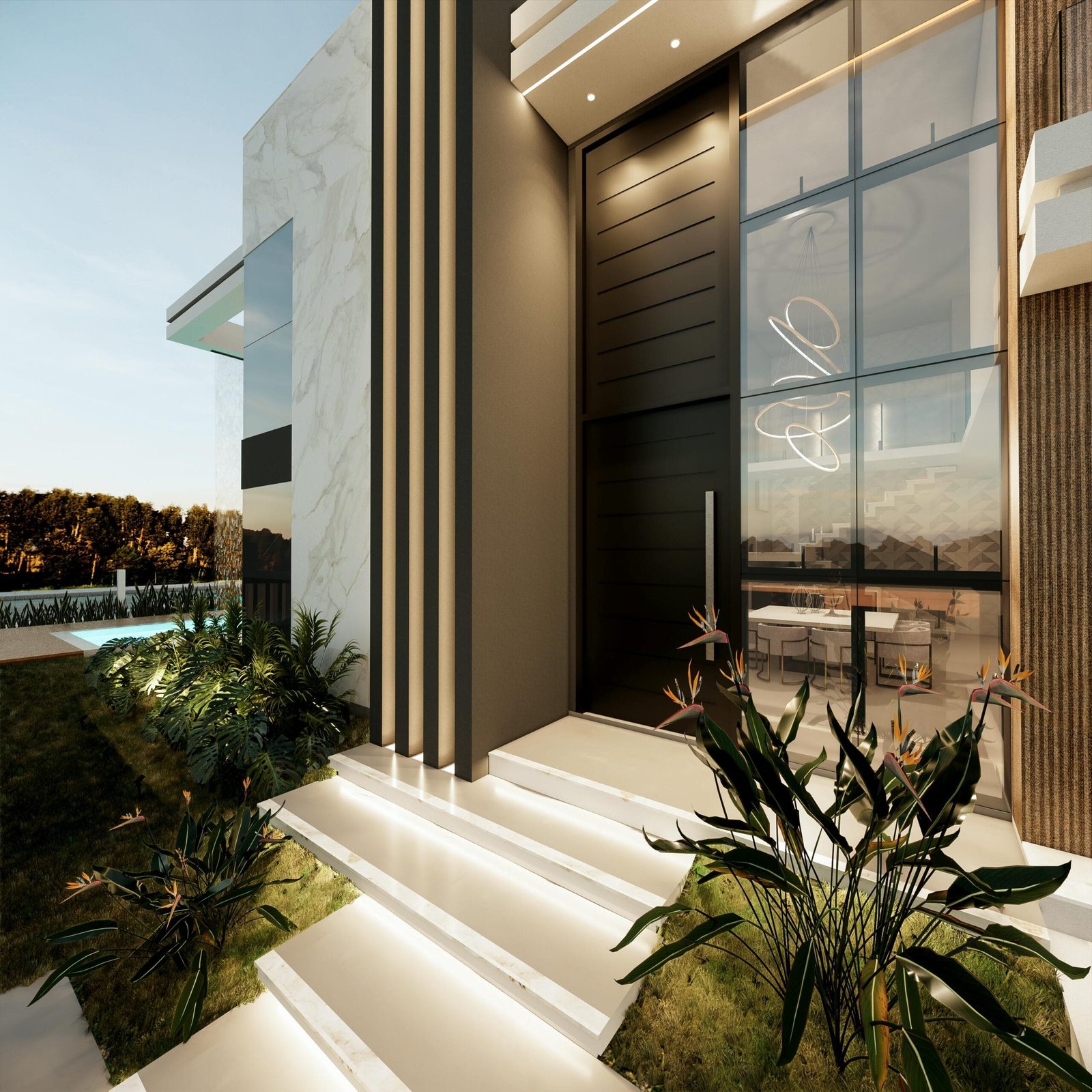
When considering modern landscape design, it is essential to explore different types of lighting. Pathway lights, for example, serve a dual function: they guide guests safely while also enhancing the beauty of garden landscaping ideas. These lights can be integrated into walkways or driveways, ensuring that your outdoor design ideas maintain both safety and charm. Furthermore, accent lighting can illuminate focal points such as trees, sculptures, or water features, highlighting the elements that make your landscape unique.
Strategic placement of outdoor lights significantly contributes to the overall impact of a landscape. Installing lights at various heights and angles creates depth and dimension, enriching the experience of the space. Moreover, by using dimmable fixtures or soft-glow lights, homeowners can create a relaxed atmosphere perfect for entertaining or family gatherings. Incorporating modern garden design principles ensures that the illumination complements the natural beauty of the surroundings while adding an element of sophistication.
In conclusion, outdoor illumination is an indispensable aspect of landscape design. By thoughtfully combining different lighting types and placements, homeowners can amplify the allure of their spaces, extending their usability into the evening hours. Elevating both the functionality and aesthetic appeal of your landscape through effective light design not only enhances your outdoor areas but also positively influences the overall atmosphere of your property.
Maintenance Tips for Your Landscape Design
To ensure the longevity and beauty of your landscape design, it is essential to incorporate effective maintenance practices tailored to your specific outdoor space. Whether you have opted for modern landscape design or traditional garden landscaping ideas, regular upkeep will keep your landscape thriving.
Firstly, understanding the planting care is crucial. Regular watering, appropriate fertilization, and mulching can substantially enhance plant health. When implementing your garden landscaping ideas, choose native plants suited to your climate, as they often require less care. Additionally, maintaining the right moisture levels in the soil is vital, especially during hot summer months.
Pruning is another essential aspect of maintenance that can significantly affect the appearance and health of your plants. Regular trimming not only promotes healthy growth but also prevents diseases. Pay attention to dead or diseased branches and remove them promptly. Likewise, the timing for pruning varies with different plant species, so consulting a landscape architecture guide or local gardening resources could provide you with insights specific to your plants.
Seasonal adjustments are imperative to uphold the aesthetics of your landscape design. In autumn, for instance, timely raking of leaves not only enhances your front yard landscaping but also prevents mold growth. During winter, appropriate protection for delicate plants can safeguard them against harsh weather conditions. Conversely, as spring approaches, it is the right time for planting new flowers or refreshing existing ones.
Lastly, pest management strategies, including natural repellents or introducing beneficial insects, can assist in maintaining the health of your garden. Observing your plants regularly will help you detect any early signs of infestation. By integrating these maintenance tips into your routine, your outdoor design ideas will not only remain captivating but also flourish for years to come.