Understanding Indoor Views
Indoor views are often underestimated, as they have the potential to offer just as much visual delight as outdoor landscapes. An indoor view encompasses various sightlines within a space, which can be optimized to create an appealing aesthetic. Several factors contribute to an indoor view’s overall impact, ultimately enhancing the experience of those who occupy the space.
One significant aspect is natural light. The presence and quality of light entering a room can transform the ambience, making ordinary views extraordinary. This can be achieved through strategically placed windows, skylights, or even mirrors that reflect light and open up narrow spaces. For instance, a room flooded with sunlight during the golden hour provides a serene backdrop that encourages relaxation and introspection.
Moreover, the arrangement of furniture and décor plays a crucial role in shaping indoor perspectives. Thoughtful placement of various elements can create focal points that draw the eye, guiding it through the space. When arranging furniture, considering sightlines and the flow of movement helps in creating an open and inviting atmosphere. Accent pieces, such as a carefully chosen artwork or a striking sculpture, can serve as visual anchors, enhancing the overall aesthetic appeal.
Additionally, personal connection to the views within your home cannot be overlooked. The experiences associated with specific sights, such as a cozy reading nook that overlooks a verdant garden or a vibrant wall of family photographs, enrich the overall perception of those views. Personal memories and emotional ties enhance the significance of indoor perspectives, making them feel special and unique to their owners.
In summary, indoor views can provide remarkable visual experiences. By maximizing natural light, creatively arranging furniture and décor, and nurturing personal connections, one can cultivate an atmosphere that celebrates the beauty and functionality of indoor spaces.
Key Elements of a Great Indoor View
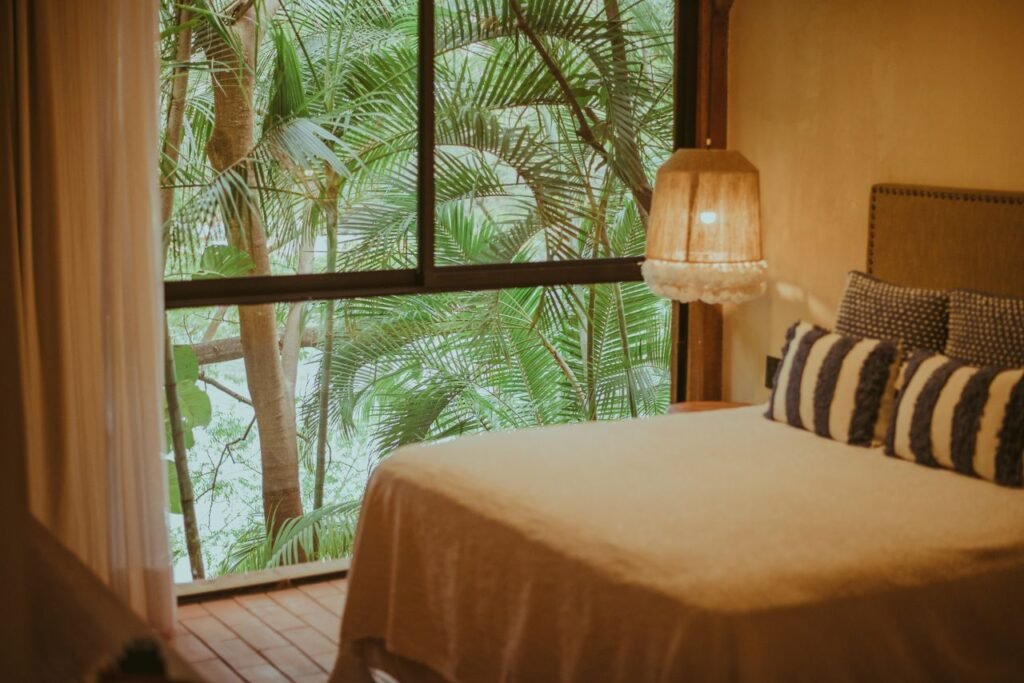
To create an inviting atmosphere that enhances indoor views, several essential elements must be considered. One of the primary components is the placement and size of windows. Large windows that allow ample natural light not only open up the space but also frame outdoor scenery, making it integral to the overall aesthetic of a room. Strategically positioning windows to capture specific views or sunlight can significantly transform an indoor environment.
Another crucial aspect is the concept of open spaces. Open floor plans facilitate an unobstructed line of sight, allowing individuals to appreciate the views more fully. Removing unnecessary walls or barriers can create a sense of flow and continuity between spaces, enhancing the overall experience within the home. Moreover, high ceilings and minimalist designs contribute to a more expansive feel, complementing any visual elements present.
Wall decorations also play a vital role in shaping how views are perceived indoors. Utilizing mirrors strategically can reflect light and create the illusion of a larger space. Additionally, selecting artwork that resonates with the environment can act as a focal point, drawing attention to certain areas while creating visual interest throughout the room.
Furthermore, the arrangement of furniture influences sightlines and the overall functionality of space. Well-placed furniture can enhance the view by allowing clear sightlines while also serving practical purposes. For example, a thoughtfully positioned sofa may offer a pleasant outlook to a garden or courtyard while providing comfort. Alternatively, using shelving to showcase plants or decorative items near windows can create layers of visual interest without cluttering the area.
In conclusion, combining these elements — windows, open spaces, wall decorations, and strategic furniture placement — creates visually appealing indoor environments that enrich personal experiences and enhance the enjoyment of views from within the home.
Tips for Enhancing Your Indoor Views
Maximizing the indoor views is a vital aspect of home design, as it contributes significantly to the ambiance and utility of the space. Therefore, implementing practical tips and design strategies can make a world of difference. Firstly, consider your layout; an open floor plan often allows for better sightlines that enhance views from various angles. To create a sense of continuity and spaciousness, align furniture away from windows where possible, ensuring that valuable views are not obstructed.
Color choices also play a pivotal role in enhancing indoor vistas. Lighter paint shades can transform how light interacts with your space, making it feel more airy and connected to the outdoors. These colors can reflect natural light effectively, which not only elevates the overall brightness but can also draw the eye toward a view. Incorporating natural tones in materials and textiles can help unify the interior, adding to the aesthetic appeal without distracting from outdoor scenery.
Another effective strategy involves mirrors, which can be strategically placed to reflect views from windows, amplifying both light and the perception of space. A well-placed mirror opposite a window can act as a visual extension of the view, creating an illusion of depth. This can be particularly effective in smaller rooms where views may be limited. Moreover, actively changing your décor with the seasons can also enhance indoor views. For instance, during winter, light fabrics and colors can brighten up a room as natural light diminishes, while during summer, you can use bolder colors that echo the vibrant energy of the outdoors. This manner of adjustment ensures that your interior remains engaging throughout the year.
Personalizing Your Indoor View Experience
Creating a personalized indoor view experience is essential for enhancing the atmosphere of your home. By integrating elements that reflect your tastes and lifestyle, you can foster an environment conducive to relaxation and inspiration. One effective way to achieve this is by dedicating space to a cozy reading nook. This can be accomplished by placing a comfortable chair by a window or in a corner with good lighting. Adding shelves filled with your favorite books and a small side table for beverages can transform this space into a retreat where you can unwind and enjoy the serenity of reading.
Incorporating plants is another beneficial strategy for personalizing your indoor views. Houseplants not only add a pop of color but also bring a sense of nature indoors. Consider placing potted plants on your windowsills or hanging them from the ceiling to create an engaging visual display. The presence of greenery has been shown to reduce stress and promote a sense of well-being, complementing the overall aesthetic of your living area while positively influencing your mood.
Moreover, the use of art can significantly personalize your indoor spaces. Artwork, whether it be paintings, sculptures, or photographs, can reflect your individual style and interests. By carefully curating pieces that resonate with you, you can create focal points that provoke thought and conversation. Consider setting up a gallery wall in your living room or displaying a large canvas in a central area, enhancing your home’s character and allowing your personality to shine through.
In summary, personalizing your indoor view experience involves creating spaces that are comfortable, reflective of your interests, and that positively impact your daily life. By incorporating reading nooks, indoor plants, and engaging artwork, you can cultivate an environment that not only looks inviting but also supports your emotional well-being.