Introduction to Creative Workspace Design
Creative workspace design refers to the deliberate planning and arrangement of office interiors to cultivate an environment that encourages innovation and enhances productivity. This concept underscores the notion that the physical workspace plays a crucial role in influencing employees’ creativity, motivation, and overall work efficiency. In recent years, modern office interiors have shifted from traditional cubicle-based layouts to more dynamic arrangements that promote collaboration and creativity.
At its core, creative workspace design encompasses various elements such as layout, furniture selection, color schemes, and lighting, all of which contribute to the ambiance of an office. By integrating flexible seating, breakout areas, and collaborative spaces, businesses can foster an atmosphere that nurtures teamwork and the exchange of ideas. Moreover, factors such as natural light and ventilation further enhance the workspace experience, demonstrating how workspace architecture can greatly affect an employee’s well-being and productivity.
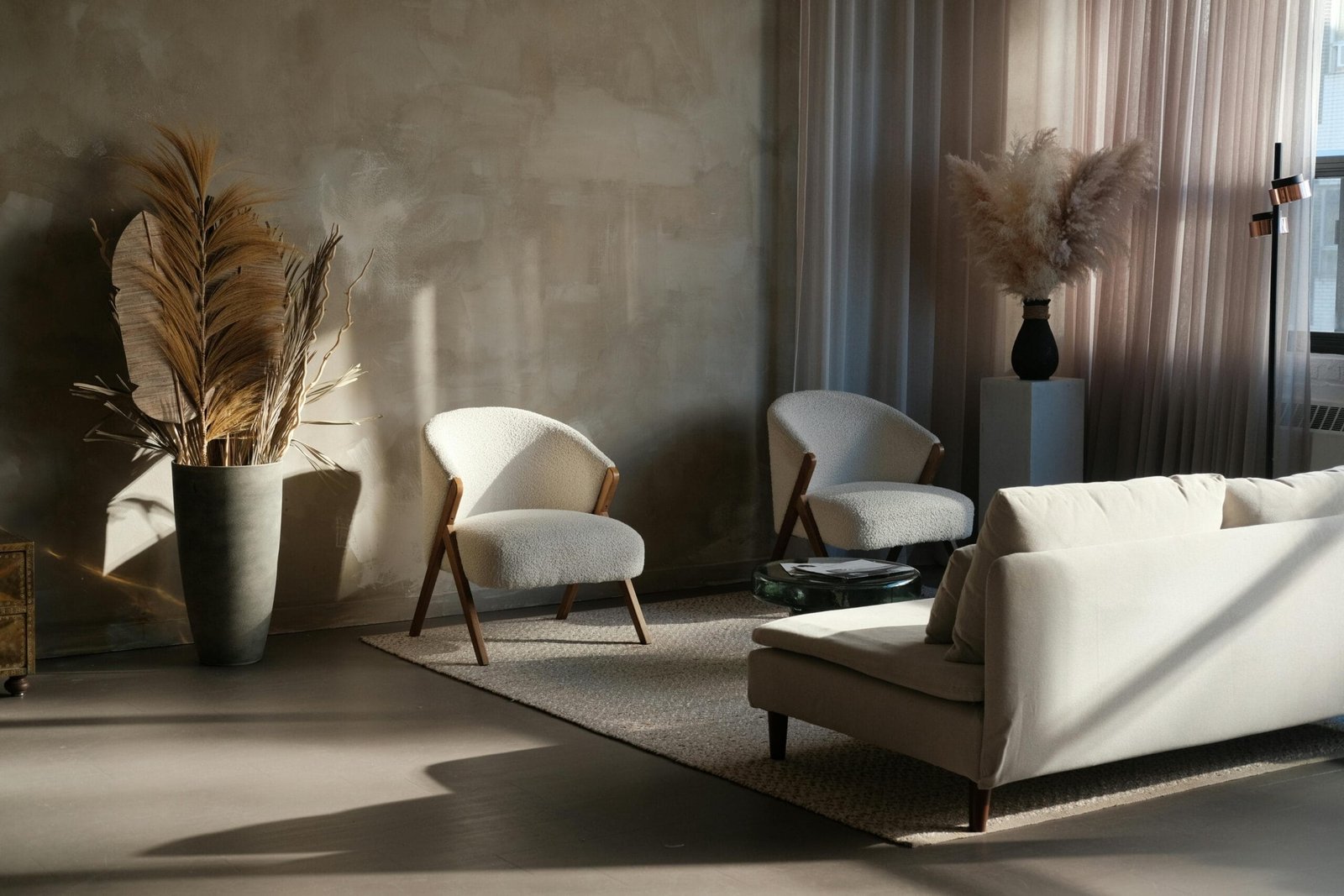
Office design trends indicate a growing recognition of the importance of workspace inspiration in nurturing a creative workforce. Companies are increasingly turning to innovative office designs that reflect their brand identity while also catering to the needs of employees. For instance, incorporating biophilic design elements and sustainable materials not only promotes a positive work culture but also supports employee health and well-being.
In summary, creative workspace design is essential for fostering an environment where innovation thrives. By understanding the impact of office interior design on behavior and productivity, organizations can create spaces that inspire creativity and collaboration, ultimately leading to enhanced performance and job satisfaction among their workforce.
Key Principles of Creative Workspace Design
Creative workspace design is a careful balance of various principles that contributes to fostering innovation and productivity within modern office interiors. Understanding these fundamental principles can help organizations create environments that not only enhance functionality but also inspire creativity among their workforce.
Firstly, flexibility stands out as a crucial principle in modern workspace design. Workspaces today need to adapt to different tasks and team dynamics. For example, the inclusion of modular furniture can allow quick transitions from collaborative areas to private zones. This adaptability caters to diverse work styles and supports the evolving nature of office design trends.
Secondly, collaboration is essential in any effective workspace architecture. Environments designed to encourage interaction among team members can significantly boost morale and innovation. Open spaces, equipped with communal areas and creative office ideas, facilitate spontaneous meetings and brainstorming sessions, thus enhancing collaborative efforts.
Functionality is another vital principle. A workspace must cater to the specific needs of its users, ensuring that all necessary tools and resources are easily accessible. An effective office interior design harmonizes layout with workflow, allowing employees to maximize their productivity without unnecessary distractions or obstacles in their environment.
Lastly, aesthetics play a significant role in creative workspace design. The visual elements of a workspace can influence the overall atmosphere and mood. Thoughtfully chosen color schemes, artwork, and natural elements can greatly enhance workspace inspiration, creating an inviting and engaging environment that employees enjoy being part of.
By incorporating these key principles—flexibility, collaboration, functionality, and aesthetics—businesses can craft creative workspaces that not only meet contemporary demands but also foster an innovative and productive workplace culture.
The Role of Color in Workspace Design
Color plays a pivotal role in modern workspace design, significantly impacting the mood, creativity, and overall productivity of individuals within the workspace. The psychological effects of color are profound and can enhance or hinder performance. Various colors evoke different emotional responses; thus, understanding these associations is essential for effective office interior design.
For instance, blue is often linked to calmness and concentration, making it a superb choice for areas where deep focus is required. Spaces meant for collaboration and brainstorming can benefit from vibrant colors like yellow or orange, which inspire creativity and enthusiasm. In contrast, green is associated with balance and tranquility, making it an excellent option for relaxation areas within creative office designs.
When selecting a color palette for a workspace, consider the intended purpose of each area within the office. For example, open spaces designed for teamwork and communication can incorporate dynamic, lively colors, whereas private offices or conference rooms may be better suited for neutral tones with occasional accent walls that encourage focus yet provide warmth.
Moreover, the choice of color should align with the brand identity of the company. Consistency in colors across modern office interiors can reinforce brand values and create an immersive atmosphere. Using color strategically can also enhance employee well-being, making the workplace more inviting and stimulating, ultimately driving productivity.
Color can thus serve as a powerful tool in workspace architecture. By thoughtfully considering the emotional impact of different hues, decision-makers can create effective office design trends that not only beautify the environment but also promote a culture of creativity and productivity.
Importance of Natural Light and Biophilic Design
The design of a creative workspace significantly impacts employee well-being and productivity. One of the integral elements that enhance a workspace is natural light. Natural light not only helps in illuminating the office interiors, but it also plays a vital role in regulating employees’ circadian rhythms, which in turn boosts their mood and energy levels. Studies have shown that workplaces flooded with natural light can improve focus, enhance creativity, and reduce absenteeism. Therefore, when planning modern workspace design, incorporating ample windows or skylights that allow sunlight to enter should be prioritized.
Biophilic design elements, which integrate nature into the workspace, further complement the benefits of natural light. By introducing features such as indoor plants, water elements, or natural materials, modern office interiors can create a calming and inviting environment. The presence of greenery not only beautifies the workspace but also purifies the air, which is essential for maintaining good health. Research indicates that incorporating biophilic design into workplaces increases attention span, fosters creativity, and promotes collaborative work. Companies that embrace such creative office ideas often report enhanced employee satisfaction and retention.
To incorporate these elements effectively, office design trends should include a layout that maximizes daylight exposure while also integrating greenery in various forms. This could entail creating open spaces with designated plant areas, ensuring that every employee has a view of nature, or even establishing rooftop gardens. By doing so, organizations can foster a stronger connection between their employees and the natural environment, fueling greater innovation and productivity. Ultimately, the significance of natural light and biophilic design in creative workspace design cannot be overstated; they are essential components in nurturing a thriving organizational culture.
Flexible Workspaces and Collaborative Areas
In modern office interiors, the importance of flexible workspaces and collaborative areas cannot be overstated. These design elements not only reflect evolving workplace trends but also serve to inspire innovation and foster productivity among teams. By embracing the principles of creative workspace design, organizations can effectively create environments that encourage communication and collaboration.
One effective configuration includes open-plan layouts, which enable employees to work side-by-side and share ideas more freely. This arrangement can be complemented with shared meeting spaces and collaboration zones equipped with the latest technology, allowing teams to brainstorm and solve problems dynamically. The integration of movable furniture can further enhance adaptability, allowing organizations to reconfigure the space to suit different tasks or group sizes. Such versatility is a hallmark of modern workspace design.
In addition to open areas, incorporating small enclaves within the workspace architecture can promote focused collaboration. These semi-private spaces, designed for small group meetings or informal discussions, can serve as an effective counterbalance to open environments. Offering diverse workspace options encourages employees to choose settings that align with their working style, fostering a culture of autonomy and motivation.
Furthermore, the incorporation of biophilic design elements, such as natural lighting and greenery, can enhance the overall ambiance of these collaborative areas. By creating inviting and comfortable spaces, organizations can stimulate employee well-being and engagement, further driving productivity. Overall, innovative office design trends suggest that blending flexibility with collaboration-centric designs leads to enriched workplace experiences, thereby maximizing the potential for creative office ideas to flourish.
Incorporating Technology in Creative Workspace Design
In the realm of modern workspace design, the integration of technology is vital for fostering creativity and enhancing productivity among employees. A thoughtfully designed office interior not only accommodates the needs of its users but also incorporates advanced technological tools that facilitate collaboration and streamline workflows. The presence of interactive whiteboards or smartboards is one example of how creative office ideas can utilize technology to enhance brainstorming and idea-sharing sessions. These tools allow teams to visualize concepts in real-time, making it easier to build upon one another’s thoughts.
Moreover, audio-visual systems are essential components of modern office interiors. These systems enable seamless presentations and meetings, whether in-person or remote. By incorporating high-quality video conferencing tools, organizations can ensure that communication gaps between teams and clients are minimized, thus enhancing overall productivity. This level of connectivity not only complements workspace architecture but also sets the stage for an engaging and dynamic working environment.
Additionally, project management software plays a crucial role in modern workspace design. These platforms centralize tasks, allowing team members to coordinate and prioritize their responsibilities effectively. By providing a clear overview of ongoing projects and deadlines, such software contributes to a sense of transparency and accountability throughout the organization. This alignment supports the overall office design trends that emphasize flexibility and adaptability in workspaces.
Furthermore, as remote work continues to be a significant aspect of the contemporary professional landscape, integrating digital tools that support virtual collaboration has become paramount. Utilizing cloud storage solutions and collaborative platforms ensures that employees can access essential resources anytime and anywhere, thus fostering a creative workspace design that is as adaptable as it is innovative. The thoughtful incorporation of these technologies not only advances office functionality but also supports an overall environment of creativity and inspiration.
Personalization and Employee Ownership in Workspace Design
In modern office interiors, personalization plays a crucial role in enhancing employee satisfaction and productivity. A workspace that reflects personal tastes and preferences not only fosters individual creativity but also promotes a sense of ownership among employees. Given the rise of remote work and flexible office layouts, integrating elements of personalization in workspace design has emerged as a key trend in office interior design.
By allowing employees to influence their surroundings, organizations can create a more engaging environment. Personal touches—be it through the choice of decor, layout configurations, or even the option to optimize lighting—cater to the diverse needs of staff members. Incorporating creative office ideas such as movable furniture and collaborative zones encourages employees to modify their workspace according to their tasks, further enhancing productivity.
To effectively implement personalization in workspace architecture, employers can encourage a culture that values individual expression. One approach is to provide designated areas where employees can showcase their creativity through artwork or personal belongings. Additionally, utilizing a mix of private and shared spaces enables employees to select their preferred working style, whether they thrive in quiet zones or collaborative hubs.
Another effective strategy is to gather feedback from employees on what elements they wish to personalize. Understanding their needs and preferences can pave the way for tailored design solutions that align with modern office interiors. This can include a selection of movable partitions or customizable workstations that reflect an employee’s unique personality while maintaining the overall aesthetic of the office.
In conclusion, by embracing personalization in creative workspace design, organizations can significantly impact employee morale and efficiency. This approach not only transforms the traditional workspace into a more inviting atmosphere but also lays the foundation for innovation and collaboration among the workforce.
Case Studies: Successful Creative Workspaces
In the realm of creative workspace design, several organizations have adopted innovative modern workspace designs that cultivate creativity and enhance productivity. This section will explore key case studies highlighting effective office interior design strategies implemented by prominent companies recognized for their exceptional work environments.
One notable example is Google’s Zurich office. The design of this workspace emphasizes flexibility and collaboration, integrating open areas with dynamic layouts. Employees can utilize various settings, from quiet spaces for concentration to collaborative zones that foster teamwork. The incorporation of vibrant colors and playful elements not only enhances the aesthetic appeal but also aligns with the company’s brand identity, proving that effective workspace architecture can significantly influence employee satisfaction and creativity.
Another compelling case is seen with Airbnb’s San Francisco headquarters. The design reflects the company’s ethos of community and belonging, featuring an open floor plan that encourages interaction. The use of natural materials and immersive environments pays homage to their core values while adopting modern office interiors that prioritize sustainability. This approach reinforces how thoughtful office design trends, such as biophilic design elements, can nurture an engaging and productive atmosphere.
Additionally, we can examine the case of Microsoft’s Redmond campus, which is continuously evolving in response to employee needs. This workspace showcases the transformation toward collaborative hubs and remote work capabilities, emphasizing the importance of adaptable workspace inspiration. By observing these successful implementations, organizations can glean valuable lessons about integrating creative office ideas into their own designs.
In conclusion, these case studies illustrate that successful office interior design isn’t merely about aesthetics but also functional spaces that foster innovation and enhance productivity. By analyzing these environments, other businesses can derive insights that help shape their own unique creative workspaces, ultimately leading to greater employee engagement and satisfaction.
Conclusion: The Future of Creative Workspace Design
As we navigate through an era characterized by rapid changes in work culture, the significance of creative workspace design has become increasingly evident. Modern workspace design is not merely about aesthetics; it is fundamentally about fostering an environment where innovation and productivity can thrive. The impacts of workspace architecture extend beyond individual preferences and reflect broader trends, pushing organizations to reconsider how their office interiors can best serve their teams.
Throughout this discussion, it has been emphasized that flexibility and adaptability are paramount in office design trends. As businesses embrace hybrid models, where remote and on-site work coexist, incorporating creative office ideas into workspace design becomes essential. Employers are looking to create environments that not only accommodate diverse work styles but also offer inspirational spaces that stimulate collaboration and creativity. Elements such as open layouts, multifunctional areas, and biophilic design principles are gaining prominence as they are instrumental in enhancing employee well-being and satisfaction.
Looking towards the future, we can anticipate a shift toward even more personalized and technology-driven modern office interiors. Innovations such as smart workspace solutions that optimize resource usage based on actual patterns in occupancy will play a vital role. Furthermore, sustainability will continue to shape creative workspace design, with an increased focus on eco-friendly materials and energy-efficient practices, reflecting a growing corporate responsibility to protect the environment.
In conclusion, the evolution of workspace inspiration will undoubtedly shape how we experience and interact with our work environments. By embracing these emerging trends in office interior design, organizations can create spaces that not only boost productivity but also foster creativity and collaboration among employees. As the landscape of work continues to change, forward-thinking companies will ensure that their workspace designs keep pace with these transformations, ultimately driving success in the years to come.